Greenko has joined over 200 global signatories of The Climate Pledge — a collective commitment to achieve net-zero carbon emissions by 2040, a full decade ahead of the Paris Agreement target.
Our Commitments Under the Climate Pledge
As a signatory, Greenko commits to:
Driving Net-Zero Through Innovation
Greenko’s roadmap integrates:
● Renewable and storage platforms for clean, firm power.
● Digital intelligence to optimise energy and carbon performance.
● Circular systems that turn waste into resources.
● Ecosystem restoration to strengthen climate resilience.
Together, these initiatives power a low-carbon, regenerative economy for India and the world.
“As a leading renewable energy company with an operational portfolio of 11 GW and a pipeline of 15 GW of wind, solar, hydro, and energy storage assets across 20 Indian states, Greenko is proud to join The Climate Pledge and commit to achieving net-zero carbon emissions by 2040 — ten years ahead of the Paris Agreement.We will continue to build upon our hallmark of environmental stewardship through greenhouse gas mitigation, climate risk management, habitat restoration, and circular economy innovation.”
- Anil Kumar Chalamalasetty, Founder, CEO and MD, Greenko Group.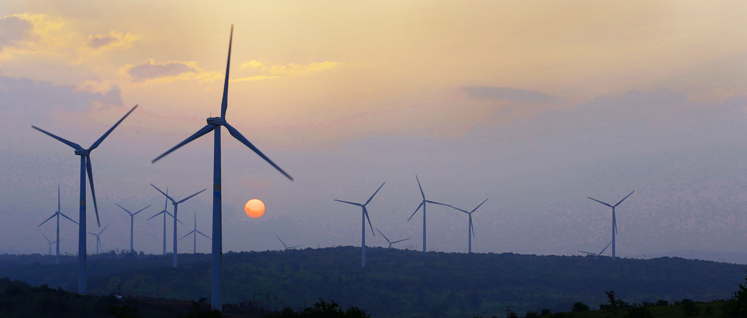
Greenko continuously measures, reports, and reduces greenhouse gas (GHG) emissions across its operations through an integrated and science-based approach. By embedding carbon accounting within the Greenko Integrated Management System (GIMS), we systematically track Scope 1, 2, and relevant Scope 3 emissions, ensuring transparency and accountability in every aspect of our business.
As part of our commitment to achieving Net Zero by 2040, Greenko has initiated several strategic actions to enhance energy efficiency and transition towards cleaner operations. We have begun conducting comprehensive energy audits across our assets to identify and implement energy efficiency opportunities, thereby reducing overall consumption. In parallel, efforts are underway to transition our fleet to fully electric vehicles (EVs), significantly lowering Scope 1 emissions. We are also exploring the adoption of SF₆-free high-voltage circuit breakers to eliminate the use of this potent greenhouse gas from our operations, reinforcing our focus on sustainable technology. Additionally, Greenko has initiated the procurement of renewable energy for site operations and is studying opportunities to minimize energy consumption in building illumination through efficient lighting systems. To institutionalize these efforts, we are implementing ISO 50001 Energy Management Systems, adopting a systematic approach to continually improve energy performance across assets. Furthermore, we are transitioning from non-renewable to renewable energy sources for auxiliary consumption at sites, strengthening our decarbonization pathway and advancing Greenko’s Net Zero roadmap.
Greenko’s ITMO Portfolio, Methodology, and Projects
Greenko Group is at the forefront of developing and implementing transformative climate mitigation initiatives under Article 6 of the Paris Agreement. By leveraging its Integrated Renewable Energy Pumped Storage (IRES) projects, Greenko is enabling large-scale decarbonization across hard-to-abate sectors, including the production of Green Ammonia and Sustainable Aviation Fuel (SAF). These initiatives are designed to generate Internationally Transferred Mitigation Outcomes (ITMOs), thereby contributing to global net-zero and Greenko’s net zero commitment, while advancing India’s sustainable development priorities and NDC Achievements.ITMO Portfolio
Greenko’s ITMO portfolio includes a diverse set of projects aligned with the Article 6.2 and 6.4 mechanisms of the Paris Agreement, in accordance with the approved list of activities for bilateral/cooperative approaches in India. These initiatives focus on achieving measurable, reportable, and verifiable (MRV) greenhouse gas (GHG) emission reductions. Each project is designed to deliver high-integrity mitigation outcomes, with adjusted baseline and crediting levels correspondingly adjusted, and the resulting ITMOs can be applied towards the buyer country’s NDCs, CORSIA compliance, or other voluntary carbon reduction initiatives, ensuring environmental integrity, transparency, and the avoidance of double counting.
The portfolio includes initiatives across multiple sectors:
These projects collectively represent one of the largest private-sector contributions to ITMO generation in the Global South, demonstrating Greenko’s leadership in climate finance and technology-driven decarbonization.
Methodology Development
Greenko is actively contributing to the development of methodologies under the Article 6.4 Mechanism, ensuring scientific rigor and alignment with emerging international standards.
Greenko group has prepared and submitted methodologies for:
All methodologies adhere to the principles of A6.4-STAN-METH-004 (Determination of Baseline Scenarios and Emission Reductions) and A6.4-MEPguidance.
Flagship Projects
Greenko’s flagship projects demonstrate real-world implementation of high-impact climate solutions:
1. Pumped Storage Hydropower Projects:
Large-scale PSP facilities integrated with renewable energy clusters (e.g., solar and wind) to provide round-the-clock clean energy and grid balancing services, replacing marginal fossil fuel generation. (May include all the upcoming PSP projects as planed)2. Green Ammonia Facility:
A first-of-its-kind large scale project in India, producing green ammonia using electrolytic hydrogen and nitrogen from air separation, aligned with international clean fuel certification and export markets.3. Sustainable Aviation Fuel (SAF) Pilot:
An emerging initiative to produce renewable jet fuel from sustainable feedstocks, contributing to the aviation sector’s low-carbon transition.Each of these projects follows rigorous MRV procedures, ensuring transparency and traceability of emission reductions and enabling credible ITMO issuance and transfer.
Through its ITMO portfolio, innovative methodologies, and large-scale projects, Greenko is shaping the future of cooperative climate action. The company’s approach integrates technology, policy alignment, and environmental stewardship to create a scalable model for high-integrity carbon markets under Article 6 — enabling countries and corporations to meet their decarbonization commitments effectively.
Our Commitment:
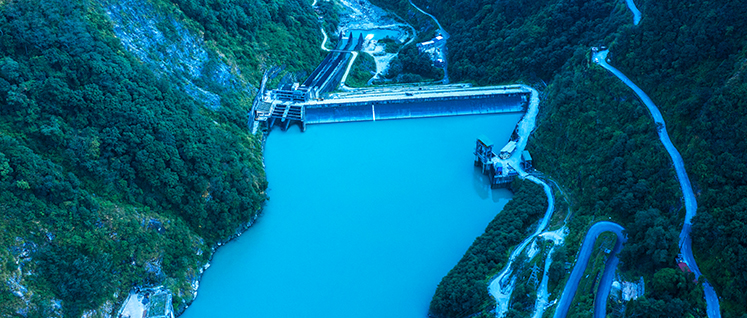
At Greenko, responsible water management is built into every stage of our project lifecycle — from design to operation.
Rainwater Harvesting & Recharge:
Every Greenko facility incorporates rainwater harvesting structures, percolation ponds, and storm-water channels to replenish groundwater and local aquifers. At several project locations, harvested water supports both operational needs and nearby community agriculture during dry months. These initiatives transform our sites into mini-watersheds, contributing directly to regional climate resilience.Community Partnerships:
Our water stewardship extends beyond the fence line. Greenko collaborates with local panchayats, NGOs, and state water missions to restore traditional tanks, desilt ponds, and improve watershed health. These partnerships enhance livelihood security, reduce drought vulnerability, and strengthen community ties around our renewable assets.Water positive initiatives:
At Greenko Group, addressing water scarcity is a strategic priority and a critical environmental challenge, particularly in the regions where we operate. In alignment with our sustainability vision, we have embedded water neutrality as a core pillar of our water management strategy—aimed at balancing consumption with replenishment to create a net positive impact on local water resources.
To ensure the highest standards of water stewardship, Greenko has engaged certified water auditors to conduct comprehensive assessments across all operational sites. These audits enable us to identify opportunities for conservation, optimize resource utilization, and strengthen our long-term water sustainability framework.
Our proactive and data-driven approach to water management has yielded tangible benefits for both the environment and communities. Through focused initiatives, we have:
Through these concerted efforts, Greenko remains on course to achieve water neutrality across all sites, reinforcing our position as a leader in sustainable water management.
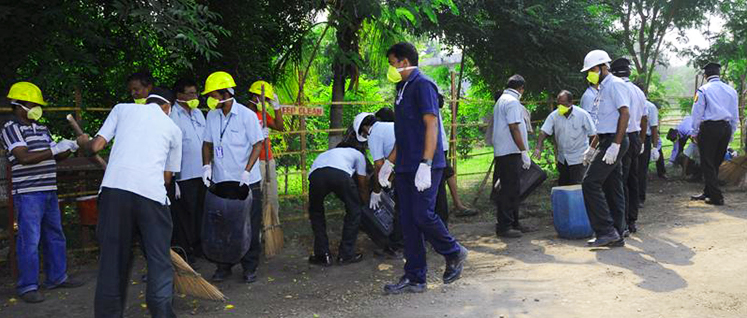
Under the Greenko Integrated Management System (GIMS), every site adopts an Integrated Waste Management Framework that emphasizes waste prevention, resource recovery, and environmental compliance.
The framework follows a structured hierarchy encompassing waste minimization at source, segregation of recyclable, biodegradable, and hazardous waste, and safe collection, storage, and disposal through authorised recyclers and refurbishers. Periodic audits ensure regulatory compliance, and continual improvement.
All Greenko projects align with national waste management regulations, including the Solid Waste, Hazardous Waste, E-Waste, Battery Waste, and Plastic Waste Management Rules, reinforcing Greenko’s commitment to a circular and sustainable waste management approach.
“Repair, Don’t Waste” initiative
At Greenko, the principles of circular economy are embedded into our operational philosophy—driving resource efficiency, minimizing waste, and maximizing value retention across our energy assets. We strive to move beyond the traditional “take-make-dispose” model by promoting repair, reuse, refurbishment, and recycling within our operations and supply chain.
Our in-house “Repair, Don’t Waste” initiative exemplifies this approach, focusing on the restoration and reuse of turbine components, thereby reducing e-waste and conserving valuable resources. We also explore sustainable solutions for the management of decommissioned materials, such as solar panels and wind blades, ensuring responsible recovery and recycling.
Through innovation, collaboration, and life-cycle thinking, Greenko continues to build a regenerative system where materials and resources remain in use for as long as possible—contributing to a resilient, low-carbon, and sustainable energy future for India.
Solar Panel Recycling & Material Recovery:
Greenko is also establishing solar panel recycling pilot plant, designed to process 500 kg per batch of end-of-life PV modules at one of its Solar Power plants in Telangana state.
The facility will:
● Recover glass, silicon, and precious metals for reuse in clean-tech manufacturing.
● Demonstrate cost-effective, scalable recycling solutions for the renewable sector.
● Serve as a learning and demonstration centre for academia and policymakers.
This initiative aligns with India’s forthcoming Extended Producer Responsibility (EPR) framework for PV waste.
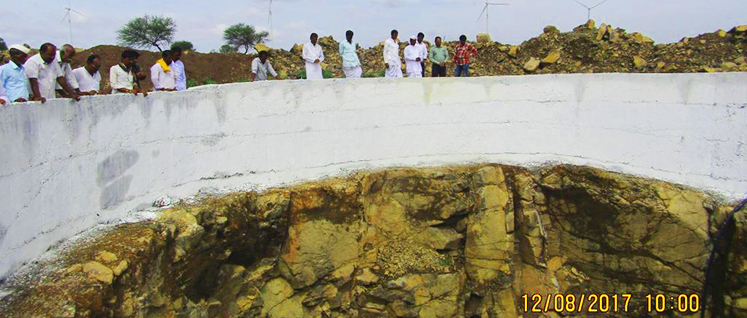
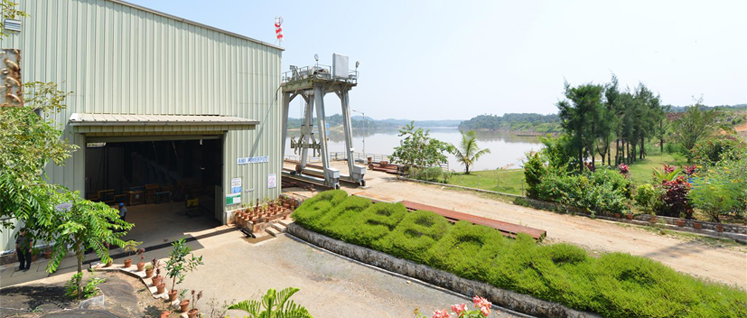
Most of our plants are located and designed to use water from surface water sources. As water is critical to the environment in Indian geography, water management is very critical and material to our operations. None of our plants/projects create any significant water stress in the areas where we operate.
Water management initiatives
1. Sprinkler & dripping system has been installed and maintained in the power house and staff quarters
2. RO plant waste water is reused for gardening purpose
3. Rain Water Harvesting System - All the Rainwater is diverted through drains to rainwater collection pit and that water is reused for gardening purposes.
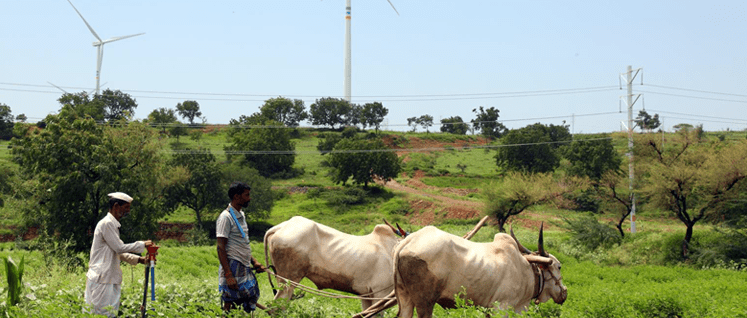
At Greenko, biodiversity management is more than compliance — it is a commitment to coexistence and regeneration. We recognize that renewable energy development must go hand in hand with the preservation of ecosystems that sustain life.
Our approach focuses on avoiding, minimizing, restoring, and offsetting impacts while collaborating with forest departments, research institutions, and local communities to conserve habitats and protect species. Through this science-based and participatory framework, Greenko strives to create net-positive biodiversity outcomes, ensuring that every project contributes to a healthier, more resilient planet.

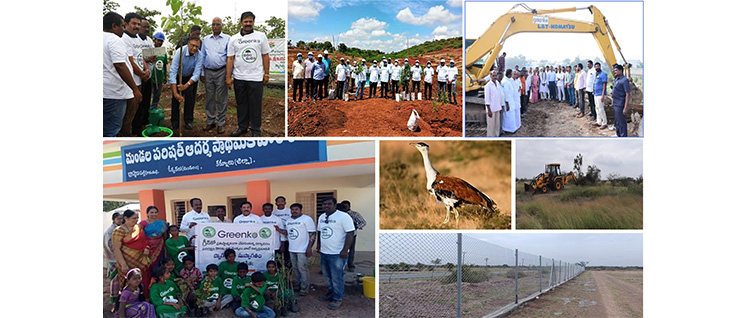
Greenko is implementing “Habitat Conservation and Species Recovery of Great Indian Bustard (GIB) at Rollapadu Wildlife Sanctuary (RWS)” located at Kurnool, Andhra Pradesh. It is working with the Forest Department of Govt. of Andhra Pradesh to develop and maintain a favorable conservation status at Rollapadu Wildlife Sanctuary.
The conservation project, besides other things, would involve:
1. Development of infrastructure for habitat & species conservation2. Habitat improvement program 3. Reduction of man-animal conflict by Crop compensation 4. Publicity, Education, Nature Camp program 5. Eco-Development 6. Promotion of Ecotourism
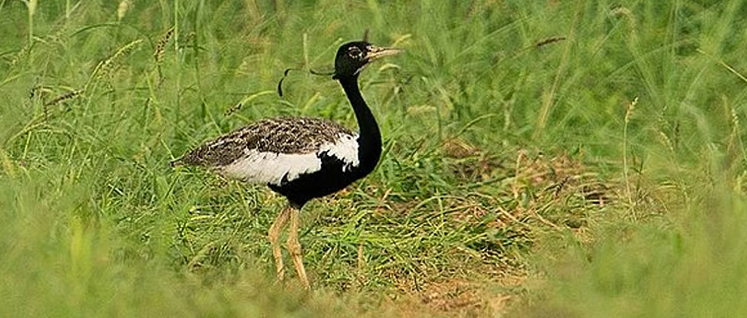
Greenko is initiating a Program for ‘Conservation of Lessor Florican' located in Neemuch and Ratlam District, Madhya Pradesh. The above Program is proposed to be taken up in coordination with the Forest Department, Govt of Madhya Pradesh at our MP01 IREP Project.
Main Components of the Conservation Program
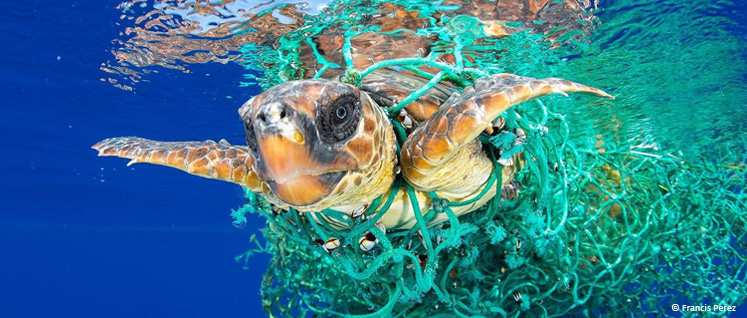
Greenko Group, in partnership with WWF-India, is implementing the project “Protect Our Ocean Health and Biodiversity from Marine Debris” to conserve Olive Ridley turtles along the coasts of Andhra Pradesh, Kerala, and Goa. The initiative focuses on mitigating threats from fishing net entanglements by engaging fisher communities through awareness programs, promoting sustainable fishing practices, and introducing an incentive mechanism to reduce turtle bycatch and manage ghost nets.
The activities under the project will be carried out under two broad objectives:
1. To reduce impacts of ‘ghost' fishing gears on threatened species including Olive Ridley turtles2. To reduce sea turtle bycatch in trawl fishery along the coast of Andhra Pradesh

Greenko is ‘Improving the Habitat for Hyena at Gokak Forest Division' located in Belagavi District, Karnataka. The above Program is taken in coordination with the Forest Department, Govt of Karnataka as part of the Wildlife Management Plan for the KA01 IREP Project.
Main Components of the Conservation Program
Managing the grass lands by removal of weeds
Planting of fruit/fodder yielding species
Creation of artificial dens
Reseeding and dibbing of grass species
Formation of fodder plots
Fire regulation in grasslands

Greenko is initiating Program for supporting the “Conservation of Red Panda at Himalayan Zoological Park” located at Gangtok, Sikkim. The above program will be implemented along with Forest & Environment Department, Govt. of Sikkim that aims to ensure the long-term survival of the endangered species Red Panda in Sikkim state of the eastern Himalayas.
Main Components of the Conservation Program
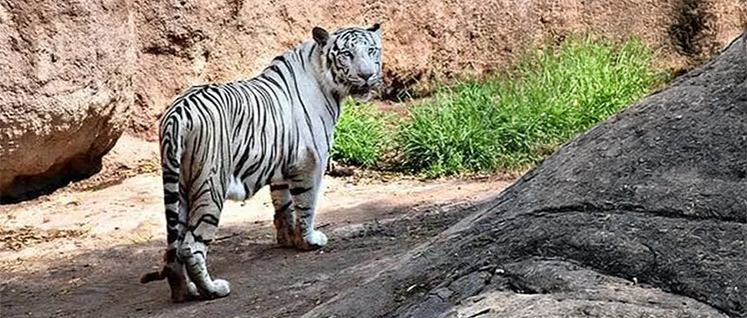
Greenko is implementing Program for “Development of White Tiger Safari at Sri Venkateshwara Zoological Park” located at Tirupathi, Andhra Pradesh. The above program is implemented along with local Zoo Authorities.
Main Components of the Conservation Program
Repairs & Strengthening of Existing Internal & External Garvel roads
Repairs & Painting of Chain Link Mesh fencing
Construction of MS Watch Tower
Construction of Shade Shelters
Removal of Jungle Growth
Construction of Safari operator cabin cum storeroom
Installation of automated Gates

Greenko is implementing the project on ‘Supporting the reintroduction of Cheetah at Gandhisagar Wildlife Sanctuary' located in Neemuch District, Madhya Pradesh. The above Program is taken in coordination with the Forest Department, Govt of Madhya Pradesh as part of the Wildlife Management Plan for the MP01 IREP Project.
Main Components of the Conservation Program
Establishment of Cheetah Monitoring and Coordination Unit
Cheetah Corridor Buffer Zone Vegetation Management
Habitat Improvement & development of vegetation cover by plateable grass with suitable species
Providing All Terrain Vehicles for Monitoring of Cheetah
Awareness and sensitization Programmes in local villages
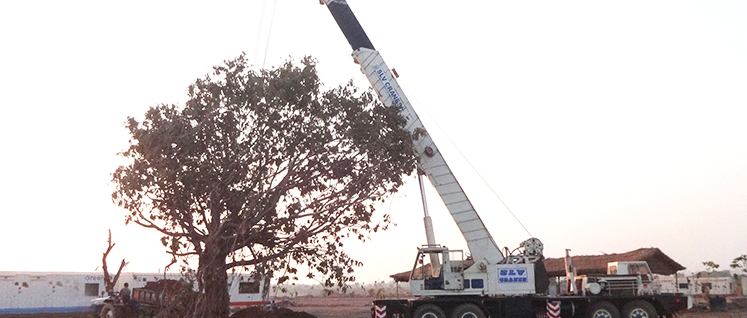
Trees are a crucial part of our ecosystem, and play a vital role in maintaining the biodiversity of an area. In order to facilitate the construction of Ghani Solar Park on a large scale, Greenko has adopted the latest technology to conserve trees within the project sites. The trees were taken out from project site and replanted at planned locations and along the roads within the project site. The average age of the trees replanted is above 50 years.
We have adopted the following steps during the process of transplantation.
1. Soil sampling and site selection
2. Root pruning and tree packing
3. Transplantation of trees
4. Mechanical support and root pruning
5. Post-transplantation treatment
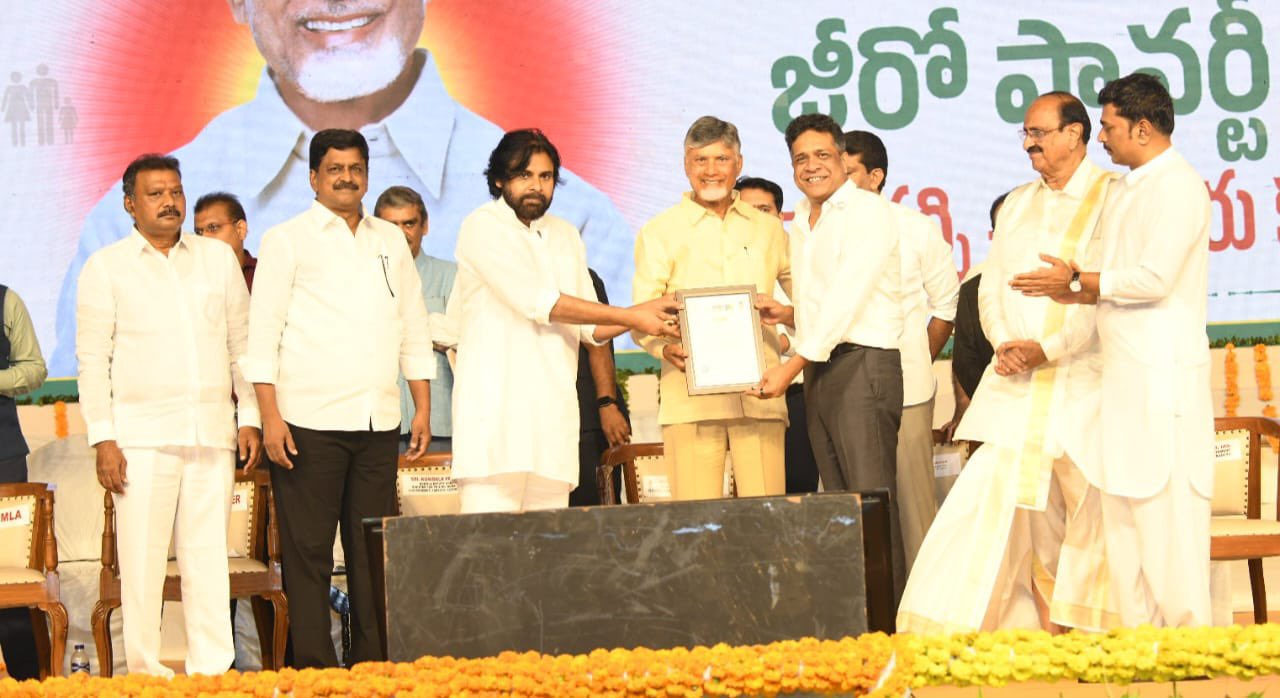
The Government of Andhra Pradesh unveiled a transformative Zero Poverty P4 initiative a Public-Private-People-Partnership collaborative program that aims to eliminate poverty in Andhra Pradesh by 2029. The model brings together the government, corporate sector, and individual citizens to collectively work towards poverty alleviation.
Greenko Group is participating in the above program and has proposed to adopt the identified below poverty level families from various Districts in Andhra Pradesh. The primary aim is to address the immediate needs of the adopted families including support for higher education, support for better Employment opportunity, medical treatment, loans for setting up or expanding Small Business, support towards increasing agriculture income and others. Through the P4 Programme, Greenko aim to create lasting opportunities for families to thrive economically, socially, and emotionally.
Greenko Group also contributes to poverty alleviation through its Corporate Social Responsibility (CSR) program that support to an entire community with multiple development projects at a single location, develop community assets for use of all village members mainly in thrust areas of education, healthcare, rural infrastructure, skill development, livelihood enhancement, and natural resources conservation.
Shri Anil Kumar Chalamalasetty, Founder, Group CEO & MD, participated in the launch ceremony of the P4 Program, led by Hon'ble Chief Minister Sri Nara Chandrababu Naidu Garu and reaffirmed his commitment to education as a powerful tool for social change, he has pledged to support children's education by ensuring access to quality learning opportunities. He highlighted the importance of collective efforts in eradicating poverty and emphasized the need for sustainable and inclusive growth.
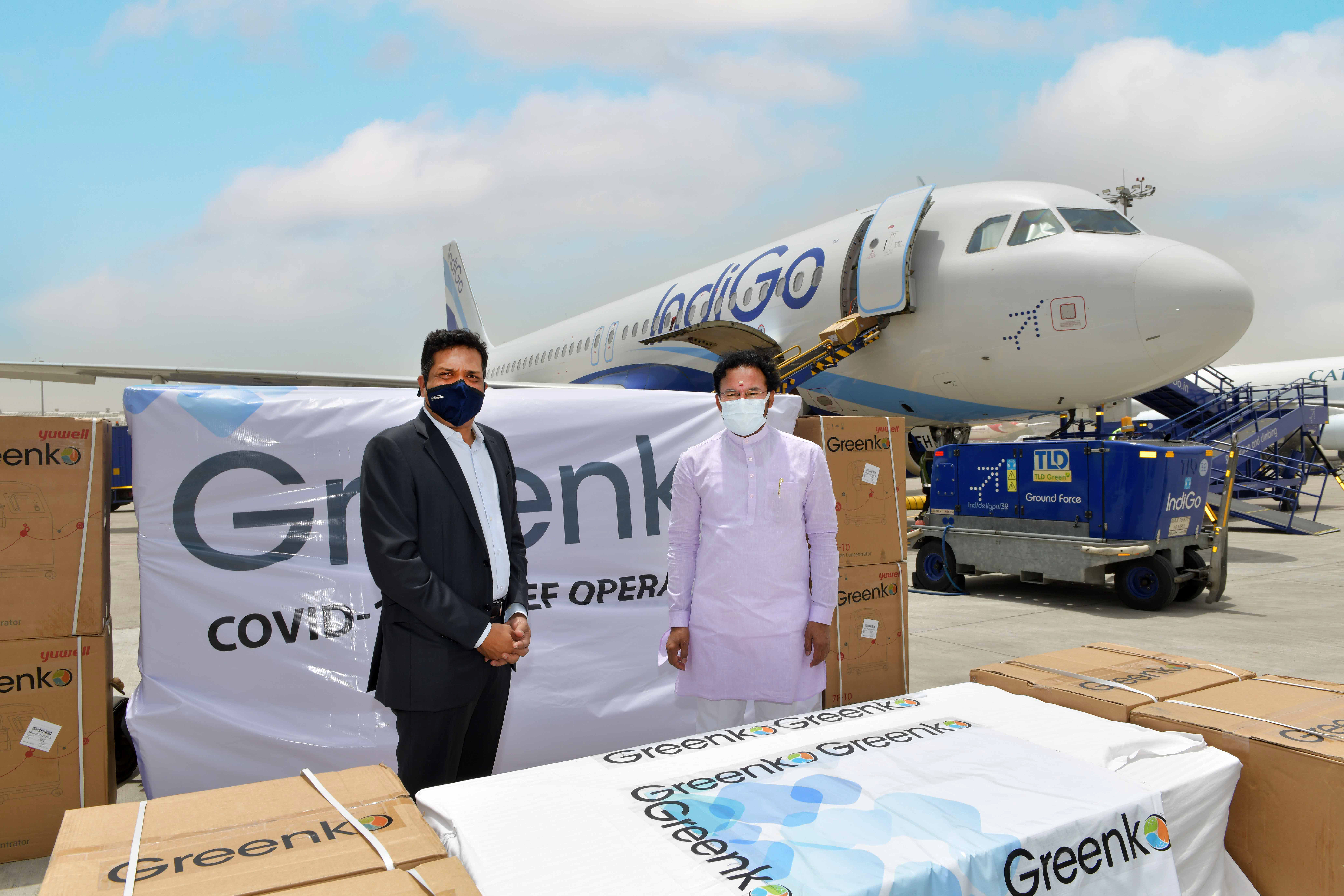

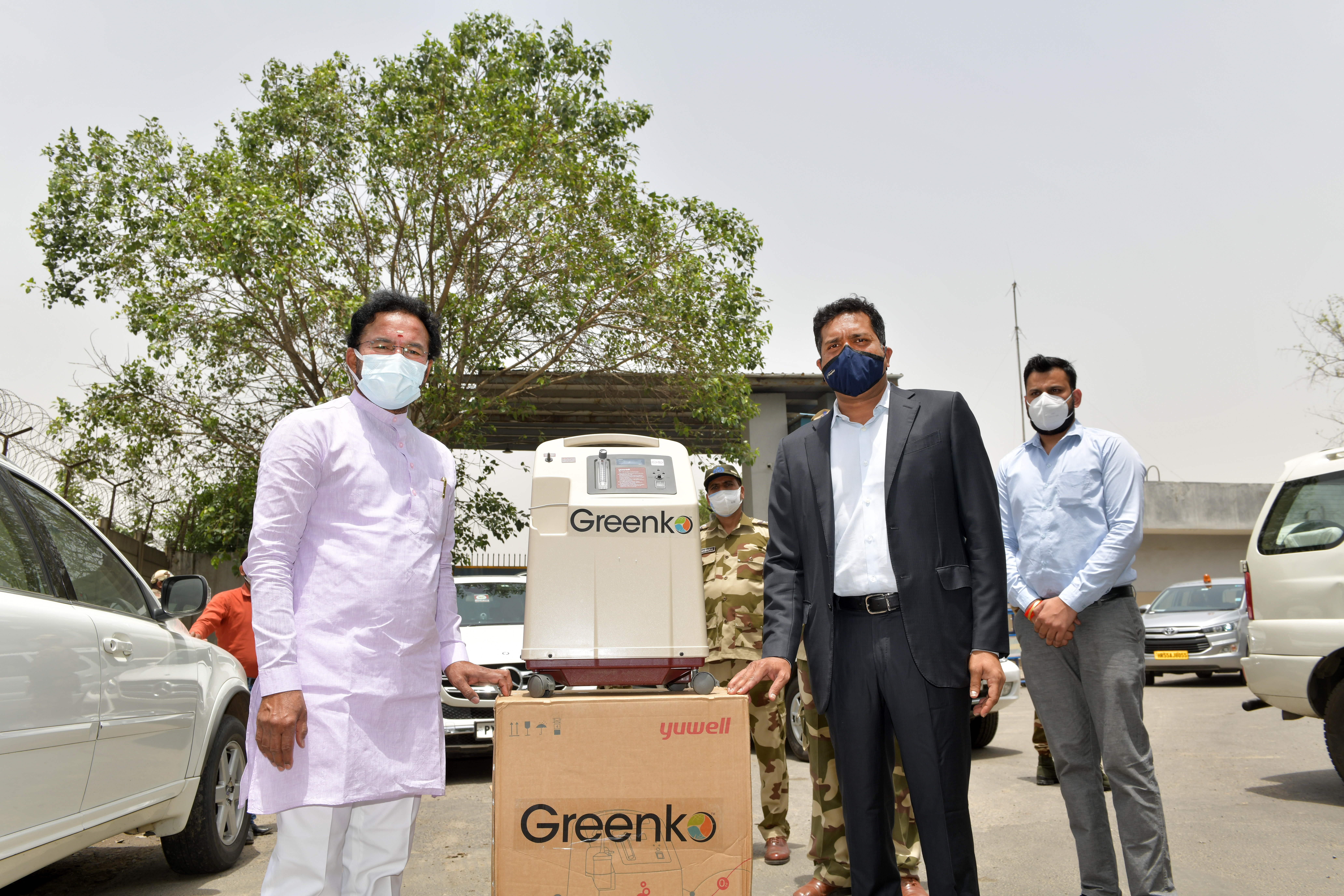
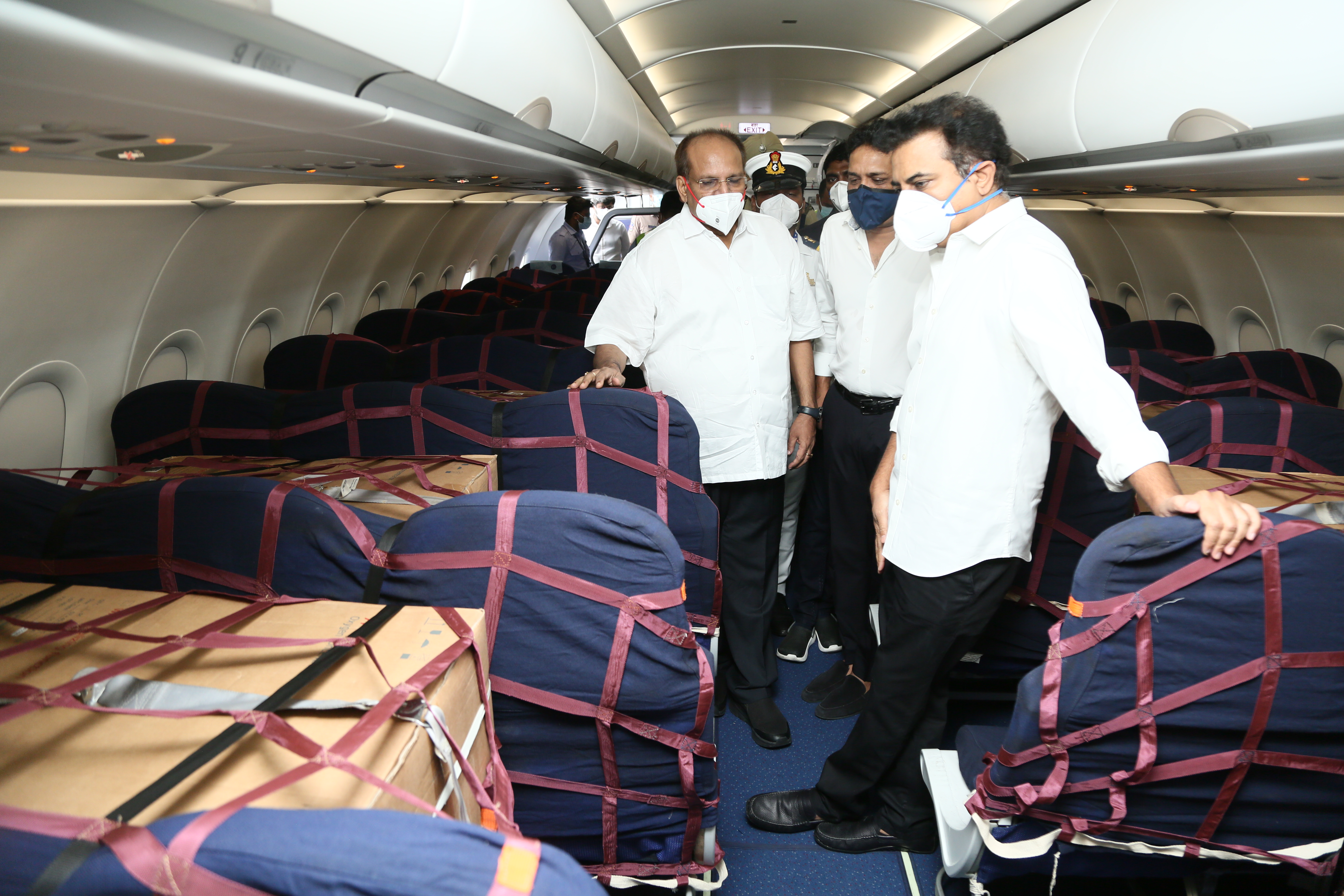
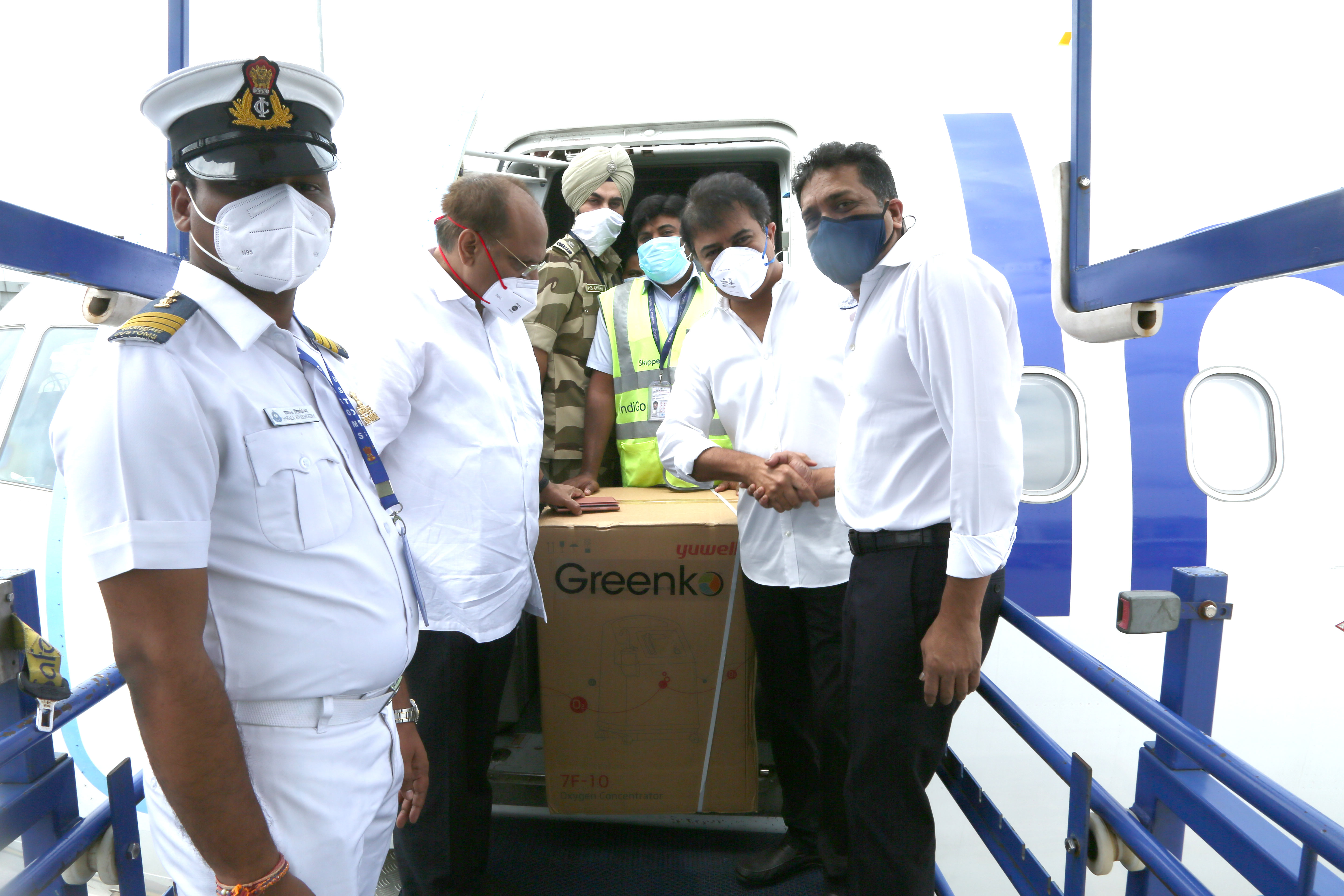
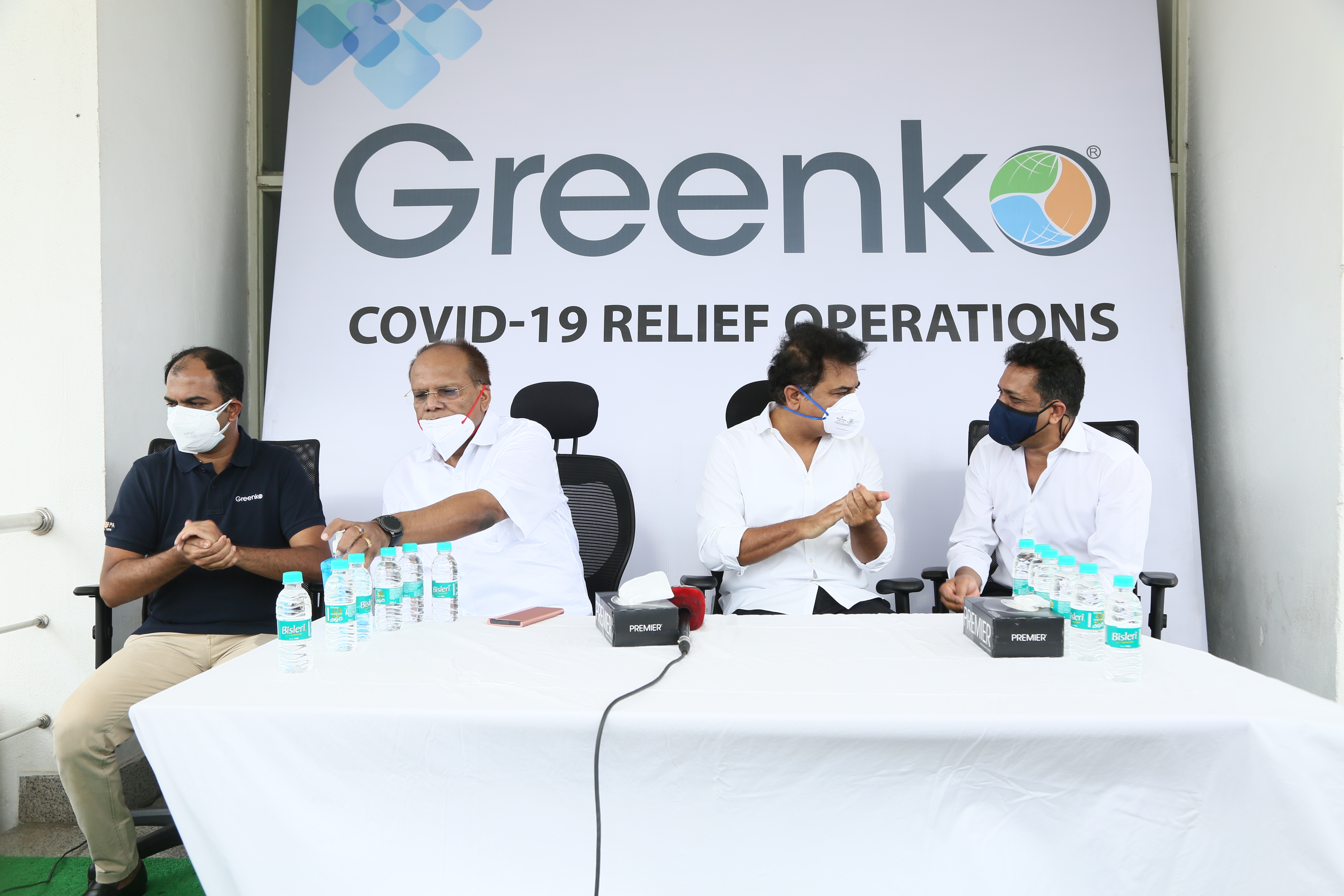
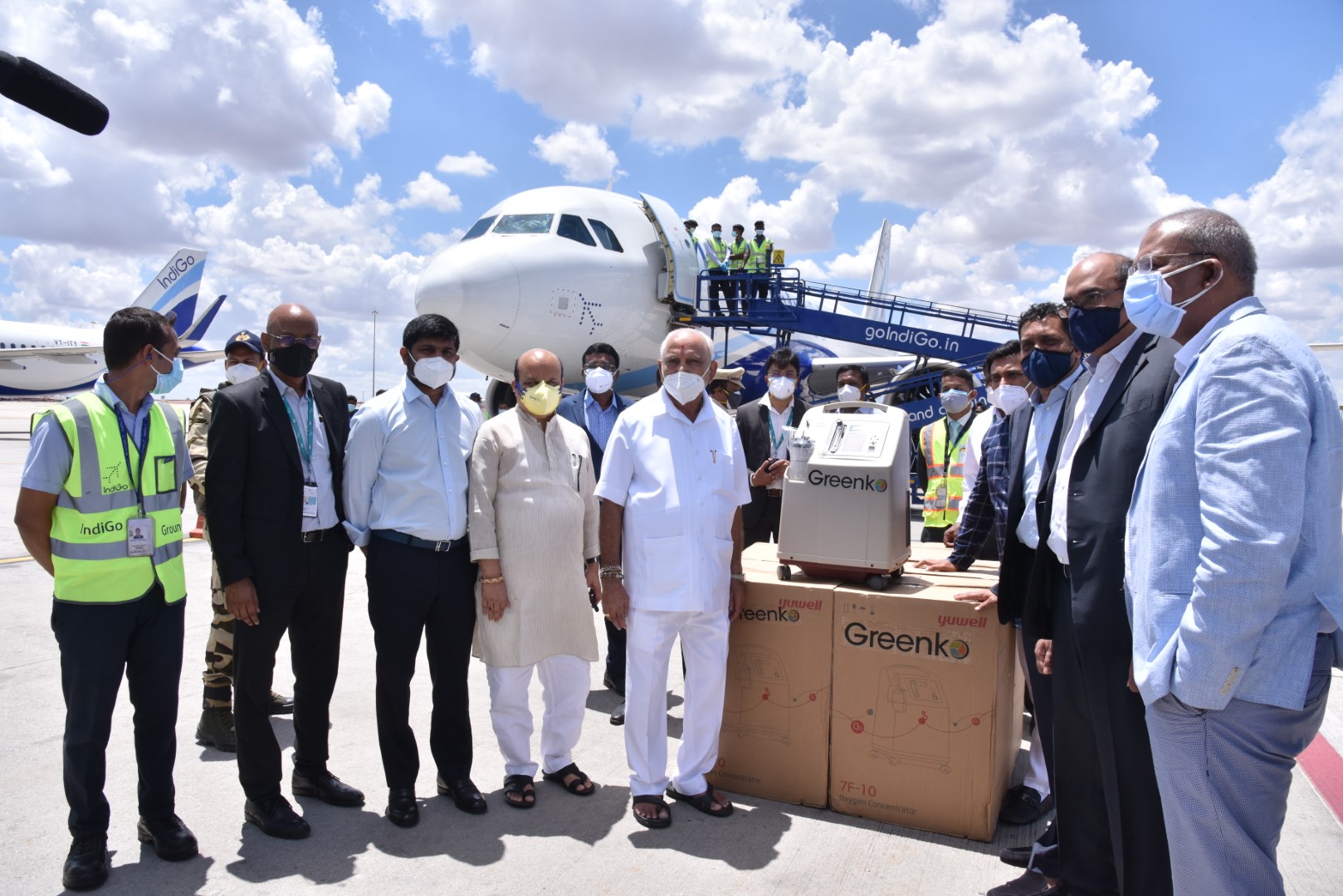
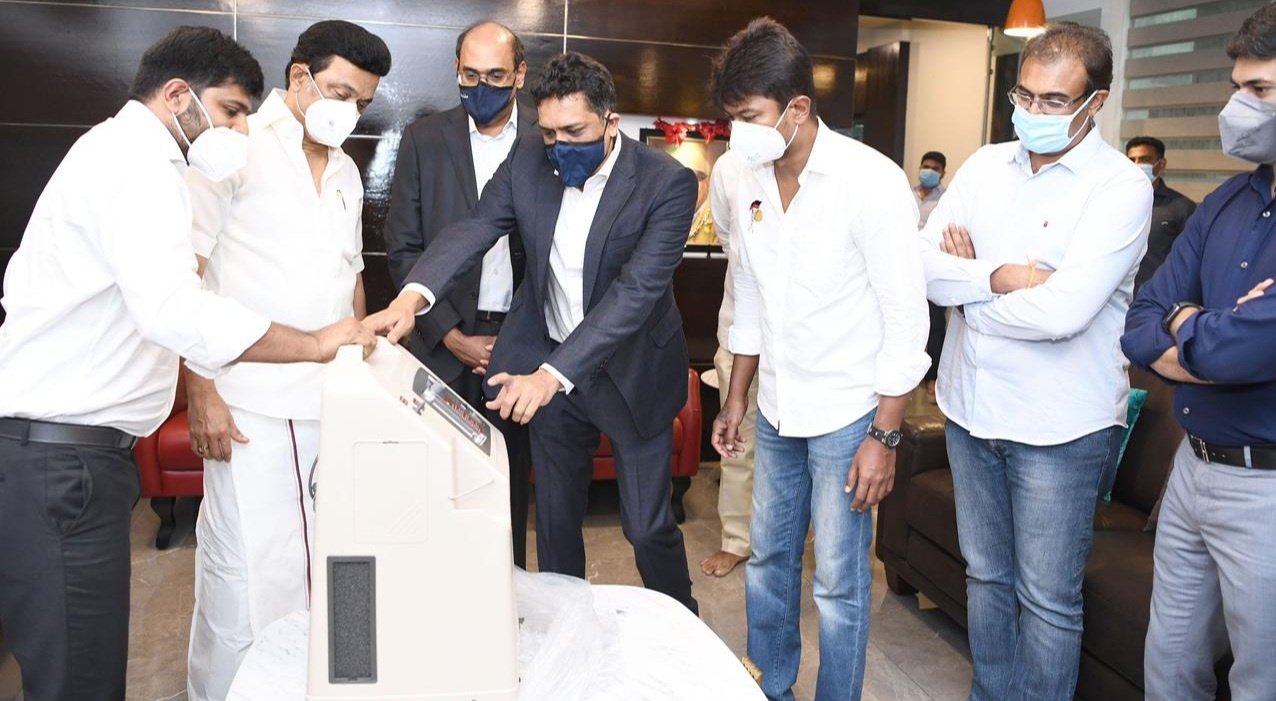
Renewable energy major Greenko group has unlocked global supply chain network to airlift critical oxygen support systems to India.The first of the five dedicated cargo planes landed in Hyderabad today with 200 large medical grade oxygen concentrators with 10 liters per minute capacity to aid in India's fight against the deadly second wave of infections.
KT Rama Rao, Telangana Industries Minister along with Chief Secretary Somesh Kumar, Greenko Co-Founders Anil Kumar Chalamalasetty and Mahesh Kolli were present at the arrival of the cargo flight. Anil Kumar Chalamalasetty said, “This is first of the five dedicated cargo planes we are bringing in through the strong global supply chains that we have set-up in the last two weeks. Within the next 5 days, four more dedicated aircrafts will land in Hyderabad, Bengaluru and New Delhi with 1,000 such large medical grade oxygen concentrators."
"This will aid our medical teams in tier 2 and tier 3 cities for pre-ICU support and post-ICU stabilisation of patients and help combat the second wave of CoviD that has put severe strain on our healthcare infrastructure and support systems. We will continue our work to help the country and aid the efforts to fight the pandemic and have India again breathe freely.” Rama Rao thanked Greenko founders for their effort, and said, “Our first priority is to provide relief to the patients and avert this oxygen crisis as prudently and judiciously as we can. We are indeed grateful to the Greenko group for helping us in these efforts.”
Additionally, 1000 large oxygen cylinders of 50 liters capacity each are in transit from West Asia to be delivered in the coming week to India. These systems will be deployed as stationary units in existing hospitals, healthcare units and mobile units to cater to the additional case load of oxygen deprived patients. “As a country, we have been fortunate to receive critical monetary and non-monetary support as aid / donations, but we need to focus on establishing strong robust supply chains for mission critical equipment and supplies locally and globally. These supply chains that we at Greenko Group have established are capable of delivering 5,000 plus concentrators and cylinders continually which will hopefully help India in fighting the pandemic and breathe freely again,” Anil Kumar Chalamalasetty said.
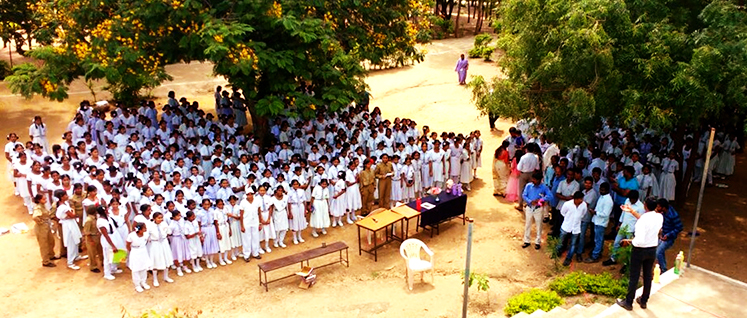
Our prime objectives to provide access to quality education in government managed schools located in the neighbourhood communities. This is achieved through a meaningful and fruitful dialogue with the Government run schools to bring about sustainable awareness & improvement among students. For the year 2017-2018, we have provided the school authorities with equipment for science/computer labs, and other basic infrastructure items. About 1058 children from various schools have benefited from our educational initiatives and school support, that are located around our Greenko projects and plants. Key areas of intervention include
1) Appointment of school teachers for the upper primary school.
2) Providing infrastructure like benches, printers and inverter etc.
Community skill development program - Recognizing the need and urgency, National Institute of Solar Energy(NISE) has launched Suryamitra Skill Development Program in collaboration with State Nodal Agencies at various locations across India. Under this scheme, Greenko has introduced a Solar Skill Development Certification Program for 280 ITI students of the local communities in Kurnool cluster at Ghani Solar Park with a vision to enhance their skills for employability. Greenko has provided employment to over 100 trainees of Suryamitra Skill Development Program.
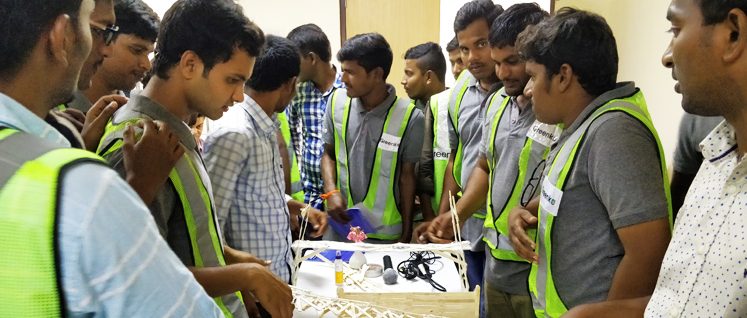
Recognizing the need and urgency, National Institute of Solar Energy(NISE) has launched Suryamitra Skill Development Program in collaboration with State Nodal Agencies at various locations across India. Under this scheme, Greenko has introduced a Solar Skill Development Certification Program for 280 ITI students of the local communities in Kurnool cluster at Ghani Solar Park with a vision to enhance their skills for employability. Greenko has provided employment to over 100 trainees of Suryamitra Skill Development Program.
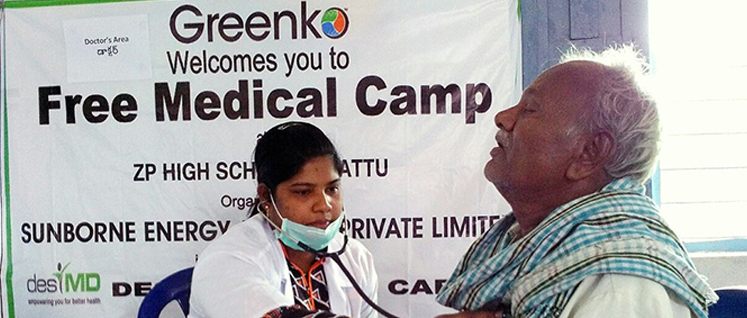
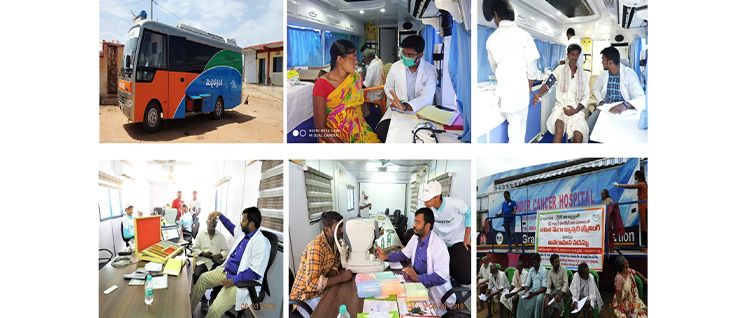
1. Health Camp at Hatkoti Site
2. Eye checkup camp at Palampur Cluster
3. DST Eye Camp
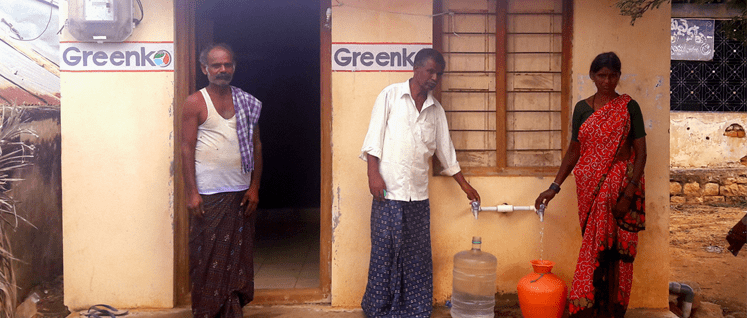
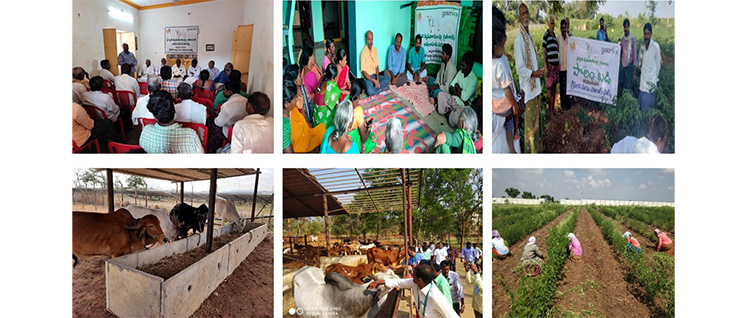
We initiate rural development programs in consultation and coordination with local panchayats. Based on the inputs received from the local stakeholders we design our interventions for rural development projects. After assessing the various short term and long term needs of the local communities, such as:
1. Clean drinking water
2. Availability of infrastructure like roads, street lighting, sanitation facilities etc.
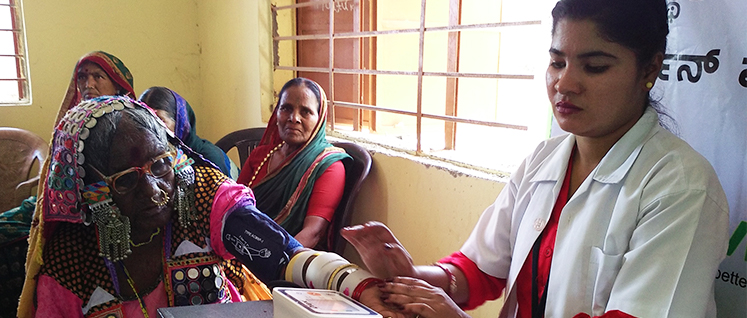
The nature of our operations demands a strong focus on the health and safety of our employees. We aim to regularly enhance our internal safety systems through functional & behavioural training and safety awareness programs, to sensitize our employees about the criticality of safety measures. We have implemented an effective Environment, Health and Safety (EHS) governance by focusing on the core areas as described below.
1. We train our employees/workers regularly to enrich safety awareness and ensure safe working environment at all work locations.
2. We conduct relevant training programs for the executives to enhance their knowledge and skills.
3. We have made a list of Training programs to be conducted in a Calendar Year and provided relevant "Training Modules" to the Executives so as to enable them to organize the training programs in an effective manner.
4. In addition to this, we have circulated soft copies of "Animated Safety Videos" to site teams to be used as resources for the training sessions. Some of our regular in-house training programs are on:
a. GIMS policy, Procedures, code of conduct, EHS Orientation & Toolbox talks.b. Behaviour Based Safety
c. Office Safety & Ergonomic Safety
d. Road Safety (Two / Four-Wheeler)
e. Electrical safety
f. ERP Heat Stress Management
g. Fire Safety & Housekeeping
h. Awareness on First Aid Treatment
i. EHS Aspects and Impacts
j. Conservation of Resources
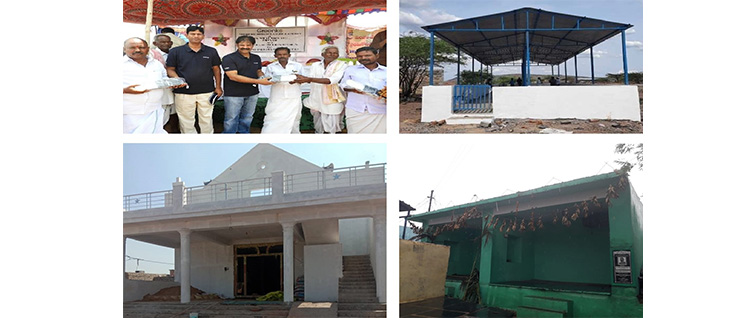
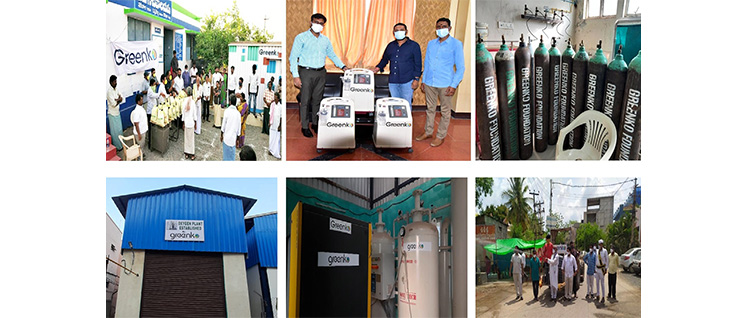
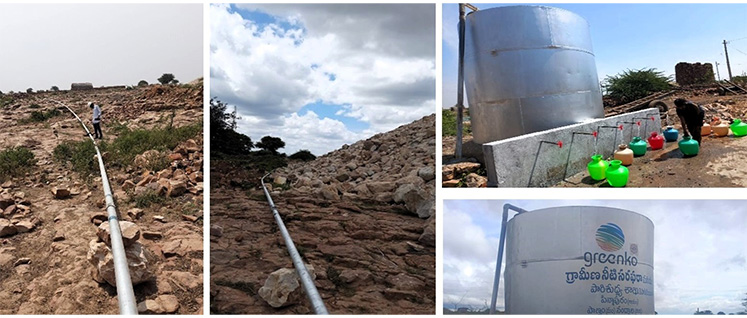
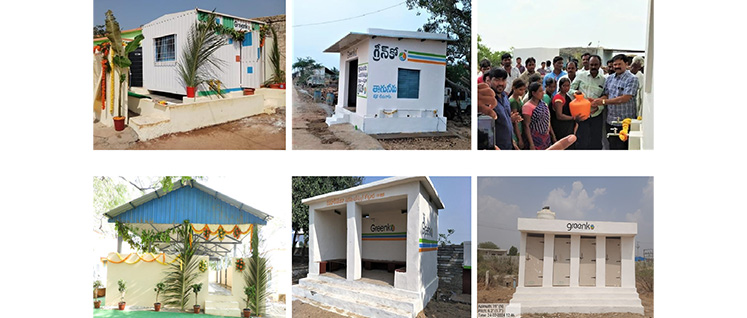
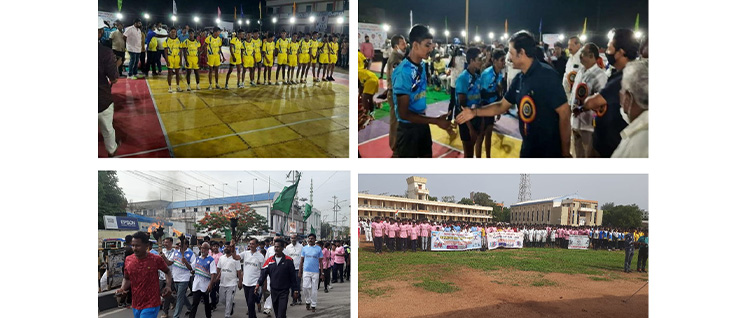
The Corporate Social Responsibility at the Pinnapuram Integrated Renewable Energy Project (IREP) is being implemented since April 2022 covering the adjacent villages of the entire project area.
Education Initiatives
Some of the educational interventions undertaken during the reporting period is presented below:
Construction of Compound Walls.Construction of Boys' and Girls Toilets
Construction of Mid-Day Meals Centers.
Construction of Multipurpose Sheds.
Providing Drinking water Facility; &
Improve classroom infrastructure
Support for improving the quality of education
Providing additional teachersConducting school-level educational competitions
Encourage activity-based learning through creative activities such as drawing competitions
Provide Smart Class Systems
Support the vulnerable children
-
Provide School uniforms.
Provide study Notebooks; &
Provide scholarships to less privileged
Encourage local sports and cultural activity
-
Provide play equipment to the primary schools.
Support the local sports teams.
Support the School level annual sports functions; &
Support the school-level cultural activity
Health Initiatives
Some of the health initiatives implemented for the neighboring community at our operational presence for the reporting period is presented below:
-
Conducting General Community Health Camps.
Conducting Specialised Diagnostic Screening and Treatment (DST) Eye Camps; &
Undertaking Health Awareness Camps
Rural Development Initiatives
Some of the initiatives implemented under the rural development thrust area for the local community at our operational presence for the reporting period is presented below:
-
Providing Reverse Osmosis (RO) Plant for Drinking Water at Village Level.
Providing Open well and Borewell for drinking water.
Providing Street lighting Facility at Village Level.
Construction of Community toilets at Village level.
Construction and repair of roads and Bus Shelters; &
Construction and repair of existing drinking water systems
Skill Development Initiatives
-
Skill Training to local youth for employment through Skill Development Center
Training in Computer Skills for educated youth through Computer Training Center
Environment Initiatives
Conducting Plantation drives of local plant species
-
Conducting Environmental awareness campaigns in schools.
Local Bio-Diversity Conservation
Protect the local heritage sites
Other Community Welfare Activity
-
Promotinglocal Cultural Activity,
National integration activity,
Supporting local traditional festivals and fairs
Empowering Young Innovators to Shape a Sustainable Future
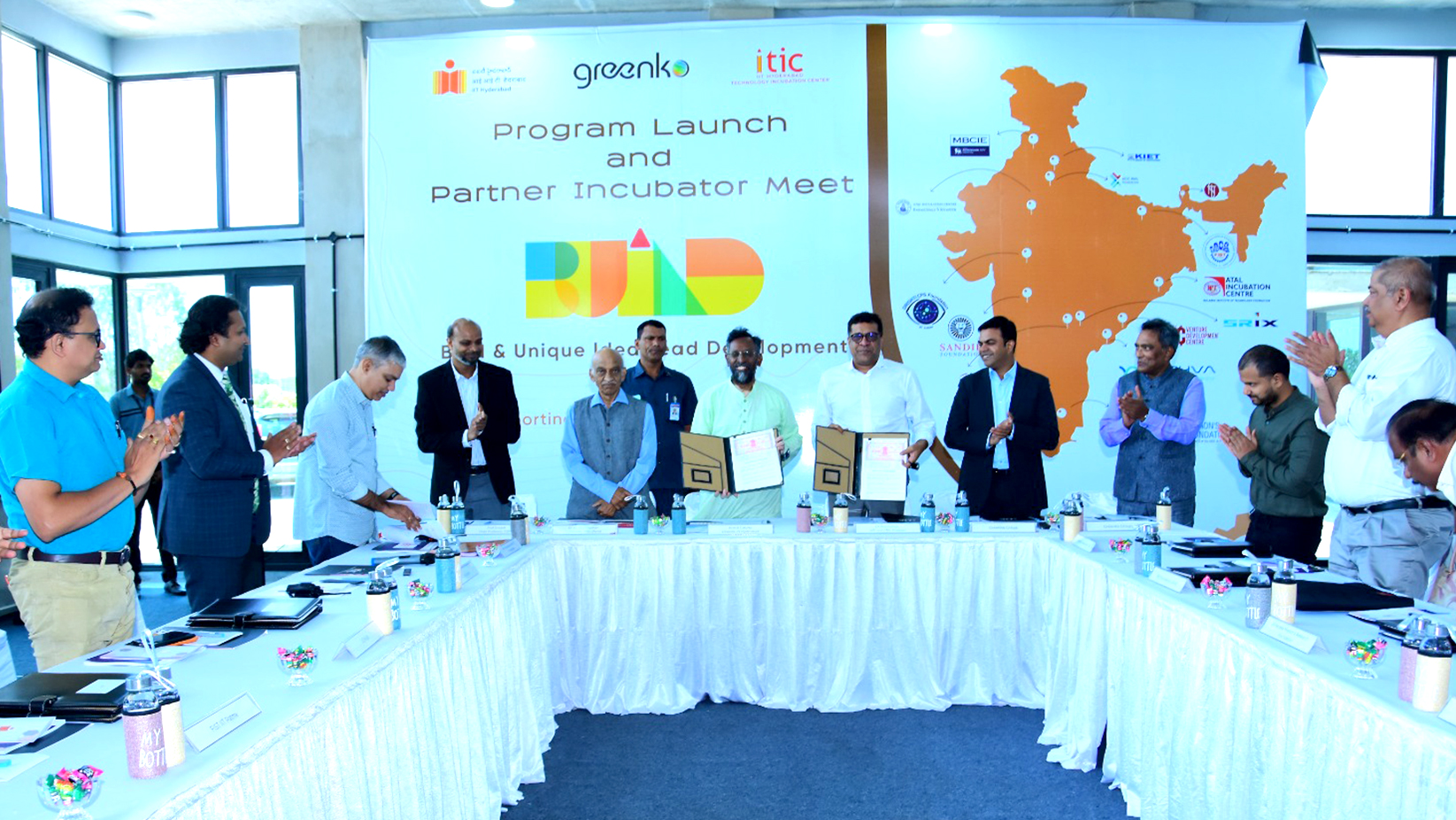
The Bold & Unique Idea Lead Development (BUILD) program is a joint initiative of Greenko Group and the iTIC Incubator at IIT Hyderabad. It aims to identify and support 75 young innovators across India—enabling them to transform bold, technology-driven ideas into viable startups that address sustainability challenges.
Launched on June 5 2023, the program was inaugurated at IIT Hyderabad by Dr. Anil Kumar Chalamalasetty, Founder, MD & CEO of Greenko Group, and Prof. B. S. Murty, Director of IIT Hyderabad, in the presence of Dr. A. S. Kiran Kumar, former Chairman of ISRO. BUILD reflects Greenko’s vision to catalyse innovation and entrepreneurship for India’s clean-energy and circular-economy transition.
Vision and Objectives
BUILD nurtures a student-centric innovation ecosystem by offering mentoring, prototyping support, business guidance, and seed funding. Its objectives are to:
Support 75 innovators annually through structured incubation and financial assistance
Enable rapid experimentation and prototyping of sustainable technologies
Promote entrepreneurship as a career path among students and recent graduates
Encourage solutions to local and global environmental challenges
Program Structure
The iTIC Incubator at IIT Hyderabad serves as the Program Management Unit (PMU), coordinating a network of 15 Partner Incubators across India. These incubators scout and mentor innovators through a 12-month program. Funding is disbursed in two stages—upon onboarding and after a six-month review—to ensure progress and accountability.
Progress and Impact
Out of 627 applications, 75 projects were selected across domains such as AI, green chemistry, waste management, sustainable design, and healthcare. Innovators received up to ₹1 lakh, expert mentorship, and access to cutting-edge facilities.
Hands-on BUILD Bootcamps held at IIT Indore, IIT Patna, and GITAM Vizag provided intensive learning on IoT, hardware design, and biomedical devices.So far:
45 teams achieved prototype readiness
28 projects are under active development
10 innovations have been shortlisted for extended incubation
The best 3–4 startups will receive seed funding of up to ₹1 crore
Building a Greener Tomorrow
Through BUILD, Greenko and IIT Hyderabad are empowering India’s next generation of innovators to design technologies that advance sustainability, create employment, and drive inclusive growth.
By transforming ideas into impact, BUILD strengthens the nation’s capacity for green innovation and entrepreneurship—turning youthful imagination into a sustainable reality.
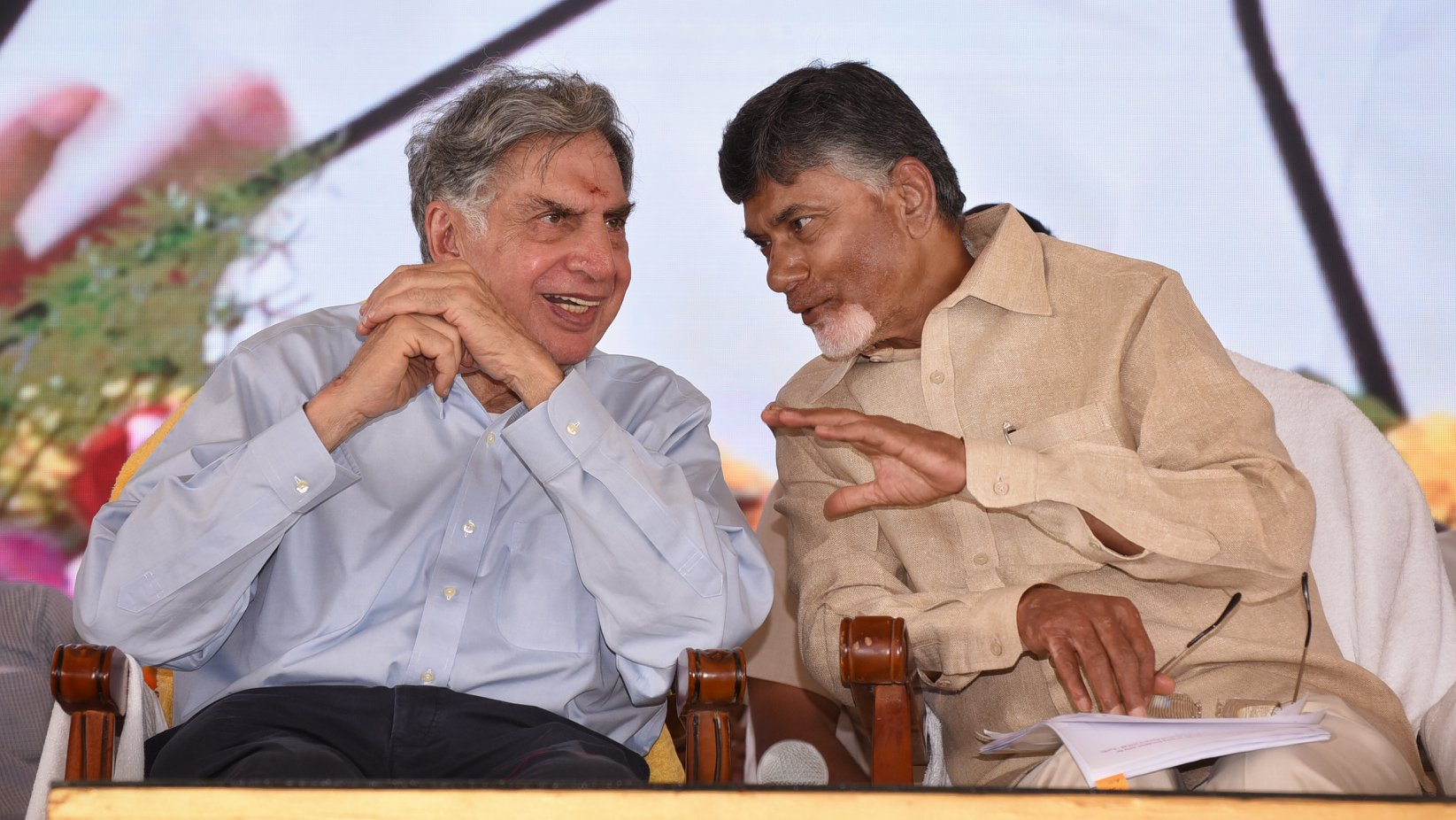
The Ratan Tata Innovation Hub is a center for creativity, entrepreneurship, and sustainable solutions — nurturing innovators, startups, and changemakers who strive to make a difference.
Chief Minister of Andhra Pradesh, Shri N. Chandrababu Naidu inaugurated the Ratan Tata Innovation Hub in August 2025 at Amaravati, alongside five "spokes" in Rajahmundry, Visakhapatnam, Vijayawada, Tirupati, and Anantapur.
The “Hub and Spoke” model, with Amaravati serving as the central innovation node and five regional spokes acting as catalysts for local entrepreneurship and skill development.
To make Andhra Pradesh a global innovation hub with the motto:“One Family – One Entrepreneur.”
Build a startup and innovation-driven economy
Enable 4,000+ startups in the region (East Godavari, West Godavari, Konaseema, Kakinada & Eluru)
Create 20,000 + jobs (Employment)
Promote sustainability and social responsibility
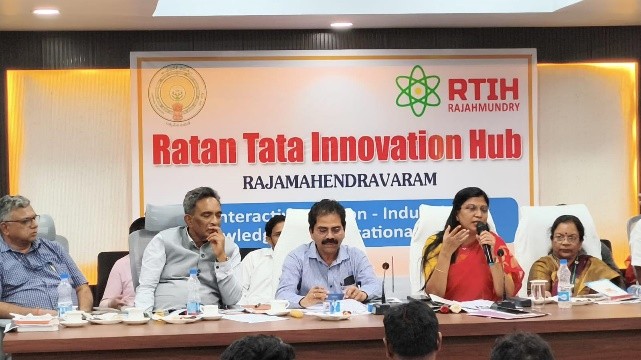
The Ratan Tata Innovation Hub (RTIH) – Rajahmundry, led by Greenko Group, is a flagship center established to accelerate sustainable innovation and entrepreneurship in Andhra Pradesh focuses on fostering breakthroughs in Agri-tech, Aquaculture, Blue Economy, Energy Transition, and IT/AI.
The strategic partnerships integrate industrial expertise, academic research, and innovation infrastructure to nurture startups and technology solutions addressing critical challenges in energy, agriculture, and environmental sustainability.
RTIH Rajahmundry
Incubates and accelerate startups
Provide funding and investor access
Connects industry, academia, and innovators
Builds skills and entrepreneurship culture
Promotes green and sustainable technologies
Centre of Excellence on E-Waste Management
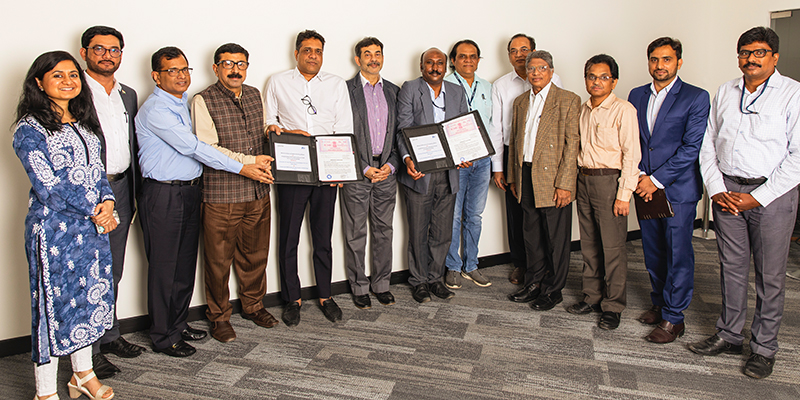
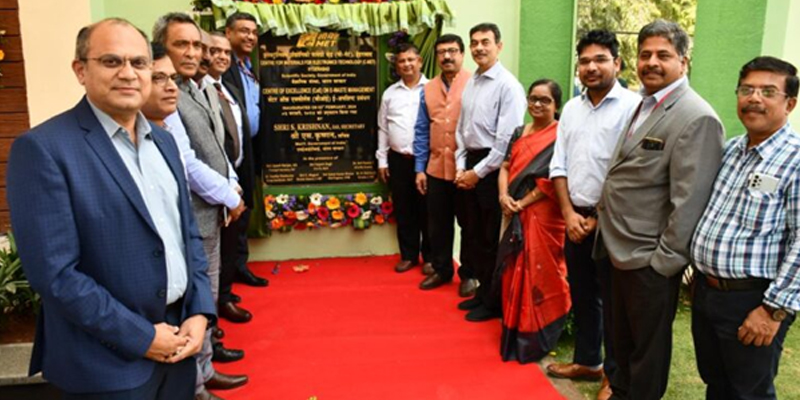
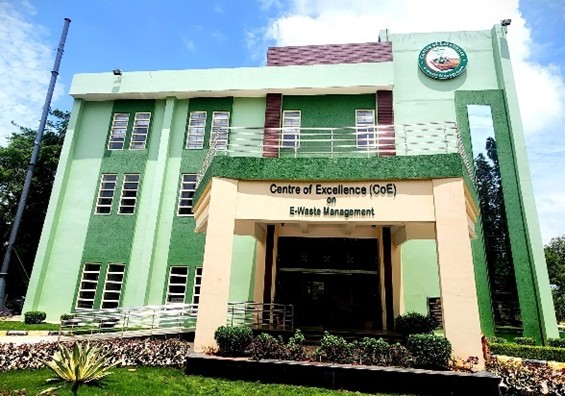
Greenko Group, has partnered with the Centre for Materials for Electronics Technology (C-MET) — under the Ministry of Electronics and Information Technology (MeitY), Government of India — and the Government of Telangana to establish a Centre of Excellence (CoE) on E-Waste Management. This Centre embodies Greenko's commitment to beyond-compliance sustainability and circular-economy innovation, developing indigenous technologies that recover valuable resources from complex waste streams — including solar panels, lithium-ion batteries, printed circuit boards, and permanent magnets. Through this partnership, Greenko brings its industrial expertise, large-scale implementation capabilities, and sustainability leadership to transform India's waste challenges into resource opportunities.
Objectives
Forge strategic partnerships among industry, startups, academia, and government to accelerate circular-technology innovation.
Train and upskill professionals engaged in recycling, refurbishing, and dismantling sectors.
Establish world-class infrastructure for R&D, testing, and product development, supporting entrepreneurs and SMEs.
Promote responsible recycling and refurbishing practices, aligned with national sustainability missions.
Technology Focus Areas
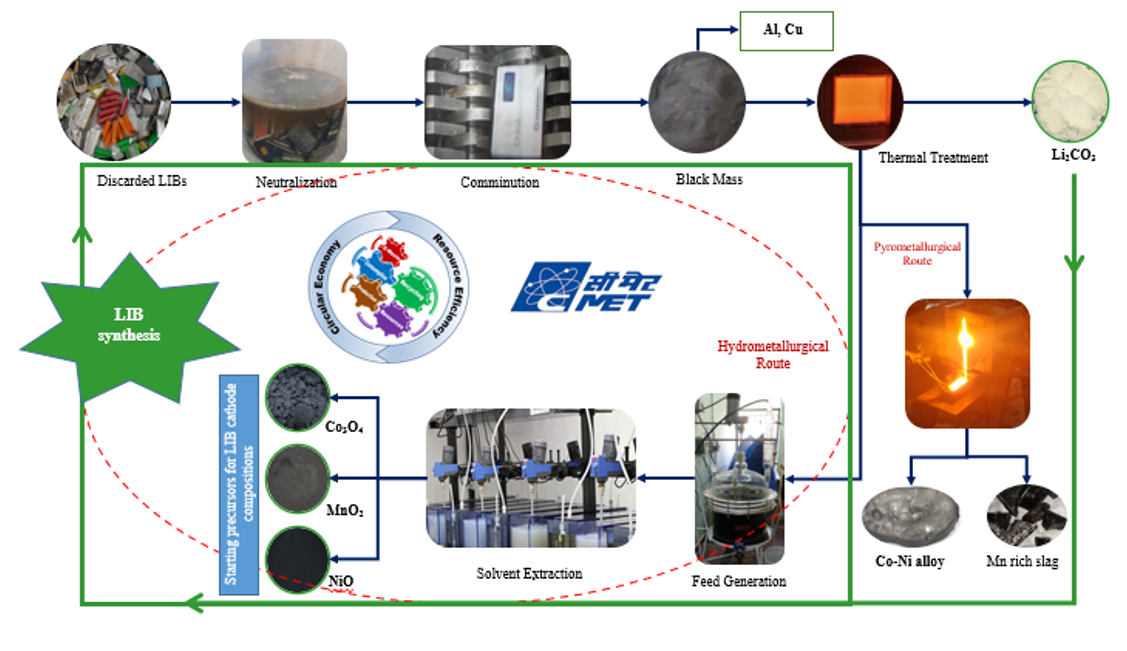
1. Lithium-Ion Battery Recycling Technology
Developed jointly with C-MET, the process achieves:
96% lithium recovery (as Li₂CO₃, > 99% purity)
98% recovery of cobalt, manganese, and nickel (> 99% purity)
100% solvent regeneration, minimizing waste generation This supports India's growing EV and energy-storage value chain.
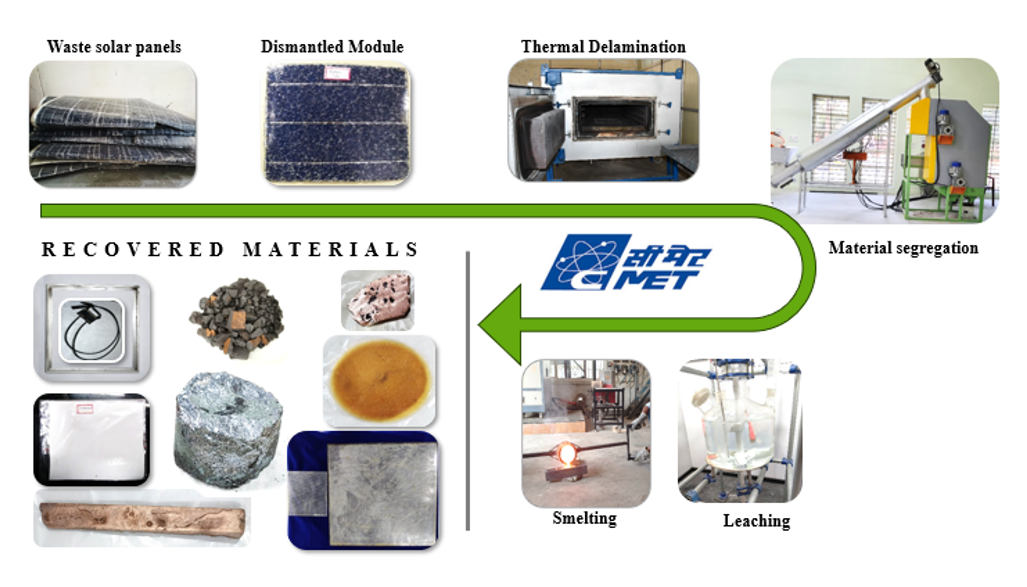
2. Solar Panel Recycling Technology
A combined pyro- and hydrometallurgical process designed and scaled by Greenko and C-MET delivers:
90% recovery of high-purity silicon (> 99%)
98% silver extraction from process leachate
Closed-loop reagent regeneration to ensure sustainability The pilot plant at Greenko's Sunborne facility in Telangana demonstrates India's first end-to-end PV recycling capability.
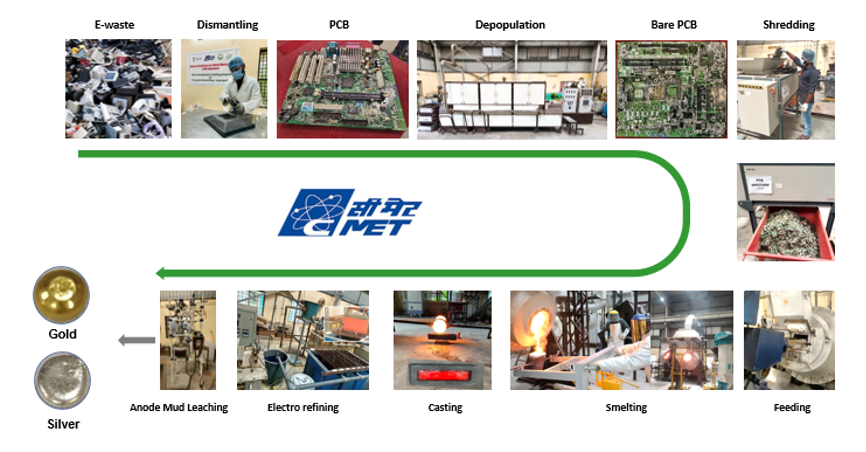
3. PCB (Printed Circuit Board) Recycling Technology
This multi-stage process integrates mechanical separation, pyro- and hydro-metallurgy, and electrowinning to recover:
90% Copper, 80% Silver, 90% Gold
Converts high-metal PCBs (> 15% Cu) into reusable raw materials Greenko provides the industrial platform for testing, validation, and scale-up.
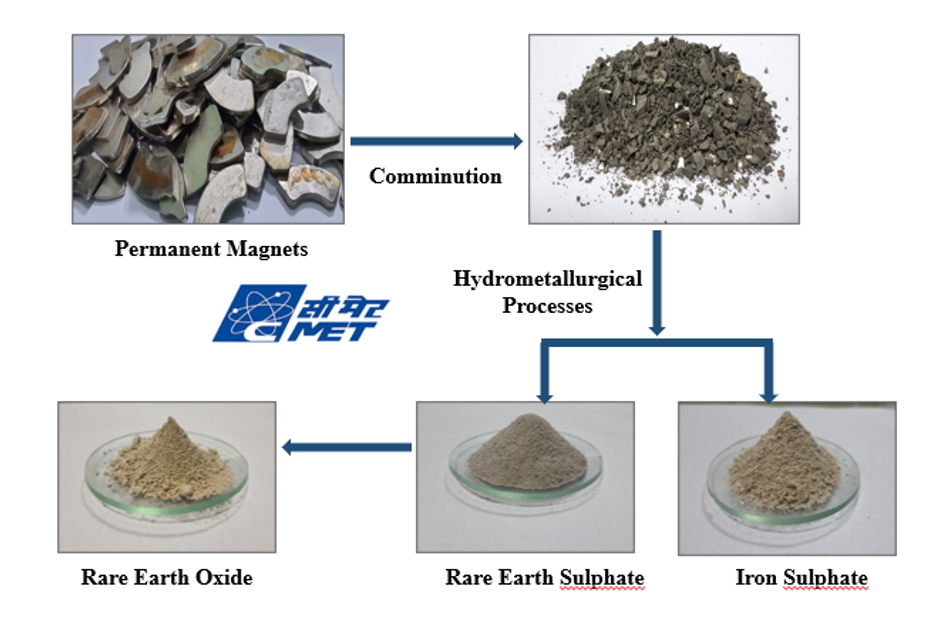
4. Permanent Magnet Recycling Technology (Under Development)
Greenko and C-MET are co-developing a process for recovering rare-earths (Nd, Pr, Dy) from end-of-life Nd₂Fe₁₄B magnets:
99.9% pure Neodymium Oxalate recovered for reuse in new magnets
Strengthens India's critical-materials independence for renewable and EV sectors.
Impact
Over 15 commercial facilities for Lithium-Ion Battery (LIB) recycling have been successfully established across India.
Pilot facility in Telangana for Solar Panel Recycling commissioned — focused on recovering high-purity silicon using eco-friendly processes.
Developed high material recovery efficiency technologies that are indigenous, environmentally benign, and optimized for circularity
Training and upskilling programs initiated for engineers, entrepreneurs, and technical personnel in recycling and sustainability domains.
"Our aim is to pioneer a zero-waste future through science-led circularity, materials recovery, and responsible innovation where every discarded component becomes a source of new value."
— Anil Kumar Chalamalasetty, Founder, Group CEO & MD
Greenko School of Sustainability, IIT -Hyderabad
Advancing Science, Education, and Innovation for a Sustainable Future
Greenko Group, in collaboration with the Indian Institute of Technology Hyderabad (IITH), has established the Greenko School of Sustainability (GSS) in the year 2022, to advance research, education, and extension in sustainability science and technology.
This partnership brings together industry experience and academic expertise to create a trans-disciplinary ecosystem that nurtures professionals capable of addressing the complex challenges of climate change, resource efficiency, and responsible growth. The school is a trans-disciplinary centre, facilitating knowledge flow from all existing departments and centres of IIT Hyderabad.
Developing the Next Generation of Sustainability Leaders
GSS has launched an interdisciplinary academic framework that integrates engineering, environmental science, and digital technology.
Academic Programs (AY 2024–25):
M.Tech programs: The School offers three distinct inter-disciplinary two-year M.Tech programs in Sustainable Engineering, Energy Science and Technology, and E-Waste Resource Engineering and Management. These programs are crafted to meet the specific sustainability aspects of climate, energy, and e-waste management. These programs include courses on climate change mitigation, carbon capture, storage, and utilization, renewable energy, energy storage, bio-energy, environmental impact, electrochemical energy storage, waste management, process metallurgy, e-waste recycling methods, supply chain management, circular economy, policies, etc.
Ph.D. in Sustainability Engineering is designed to develop science and technology in climate change mitigation, energy transition, industry transformation, recycling, reuse, repurposing and refurbishing, AI and space technologies for climate change mitigation, circular economy, green chemistry, Industrial ecology- net zero and net negative clusters.
GSS conducts professional training and continuing education programs through Centre for Continuing Education (CCE) of IITH.
Translating Knowledge into Scalable Solutions:
The Greenko School of Sustainability anchors collaborative R&D focused on clean energy, carbon reduction, and resource circularity.
Research Domains:
Decarbonization & Hydrogen Economy: Green hydrogen production, ammonia-based combustion, hydrogen-enabled steelmaking.
Circular Economy & Resource Recovery: Solar PV recycling, e-waste valorization, lithium recovery, and CO₂ utilization.
Digital Sustainability: AI, IoT, and digital twins for monitoring and optimizing carbon, water, and energy footprints.
Sustainable Materials & Chemistry: Lignin-based bioaromatics, catalyst innovation, and green chemistry solutions.
Flagship R&D initiatives Covering the areas:
PEC cells for hydrogen generation
Hydrogen-based steelmaking
E-waste valorization
Biomass to hydrogen
CO₂ capture
Lignin-based bio-aromatics
Energy storage and recovery from lithium waste streams
Hydrogen-based Green Steelmaking (Ministry of Steel)
Carbon Capture and Methanol Production (DST)
Circular Solar PV Recycling (QUAD Mission)
Green Hydrogen Catalysts (MNRE)
Ammonia-Fuelled IC Engine and Biomass-to-Hydrogen (AM Green)
Green Steelmaking Project
Carbon Capture & Methanol Project
Quad Hydrogen Mission & Indo-Australian Projects
Solar PV Recycling
From Campus to Community
The School ensures that knowledge generated at GSS extends to industry, government, and society through structured extension programs.
Flagship Initiatives:
ICCS 2025 – International Conference on Chemistry for Sustainability: GSS co-hosted this global event at IIT Hyderabad, facilitating dialogue among scientists, policymakers, and industry on sustainable chemistry and circular materials.
Global Partnerships: Collaboration with Technocarbon GmbH (Germany) for pilot demonstration of carbon-negative materials at Greenko's Pinnapuram Pumped Storage Project.
MoU with AM Green:Strengthened industrial R&D collaboration for decarbonization technologies and workforce training.
BUILD 2024 Program:Jointly executed with IIT Hyderabad's iTIC Incubator; engaged 600+ student innovators nationwide. Ten startups shortlisted for incubation, with 3–4 receiving seed support up to ₹1 crore each.
Knowledge Outreach:Sustainability courses, executive programs, and technical workshops for academia and industry.
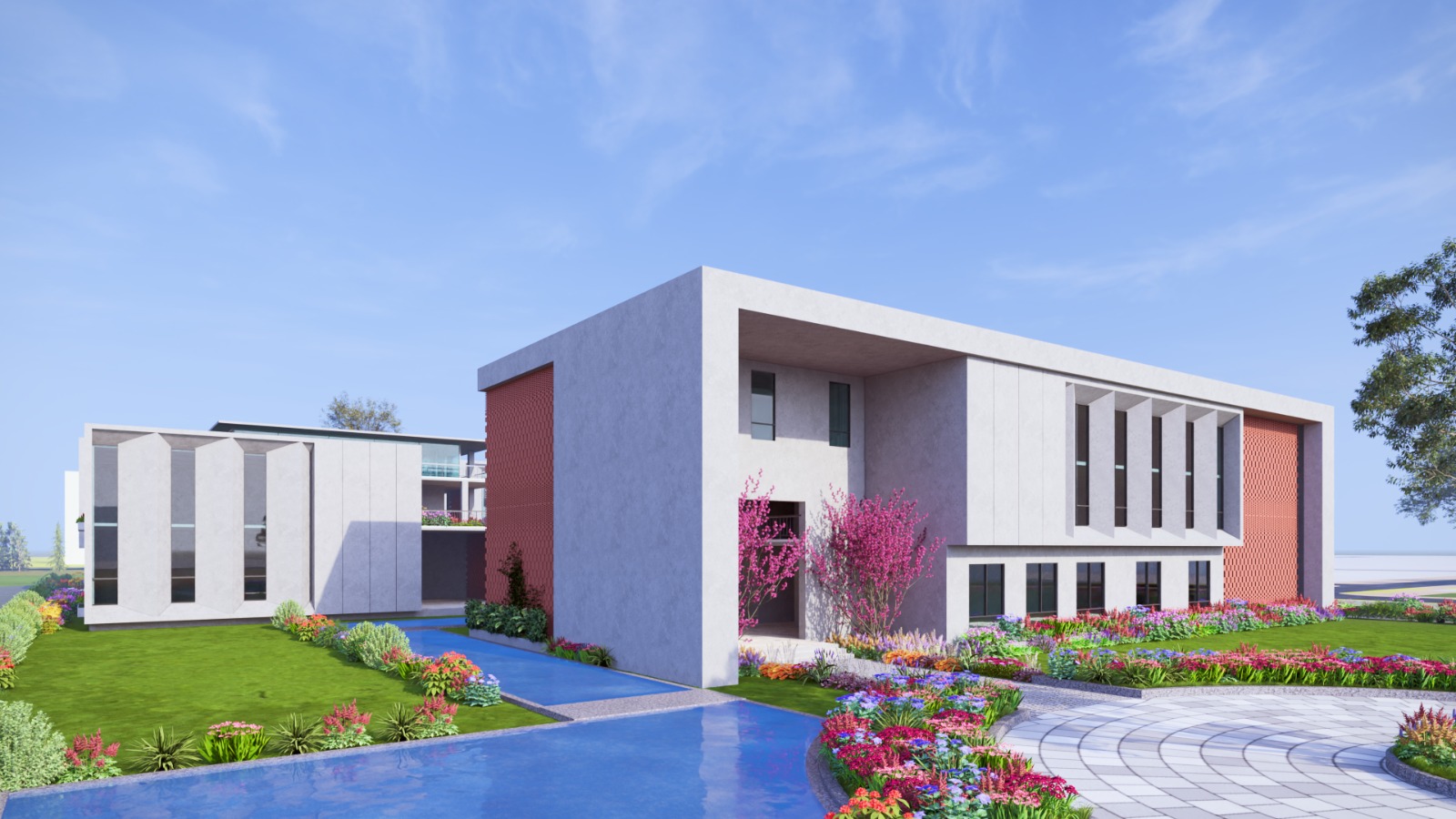
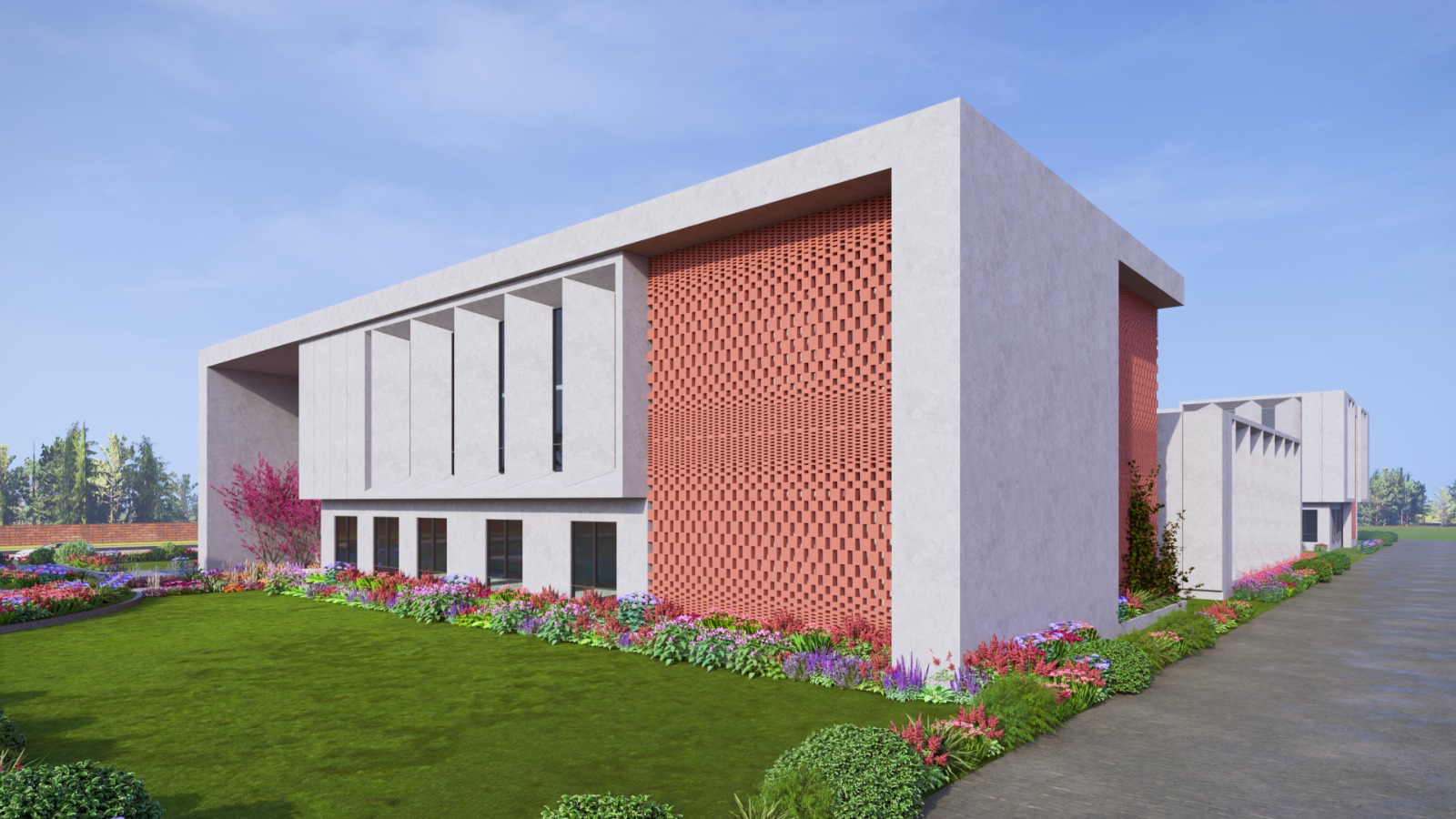
A Net-Zero Campus for the Future
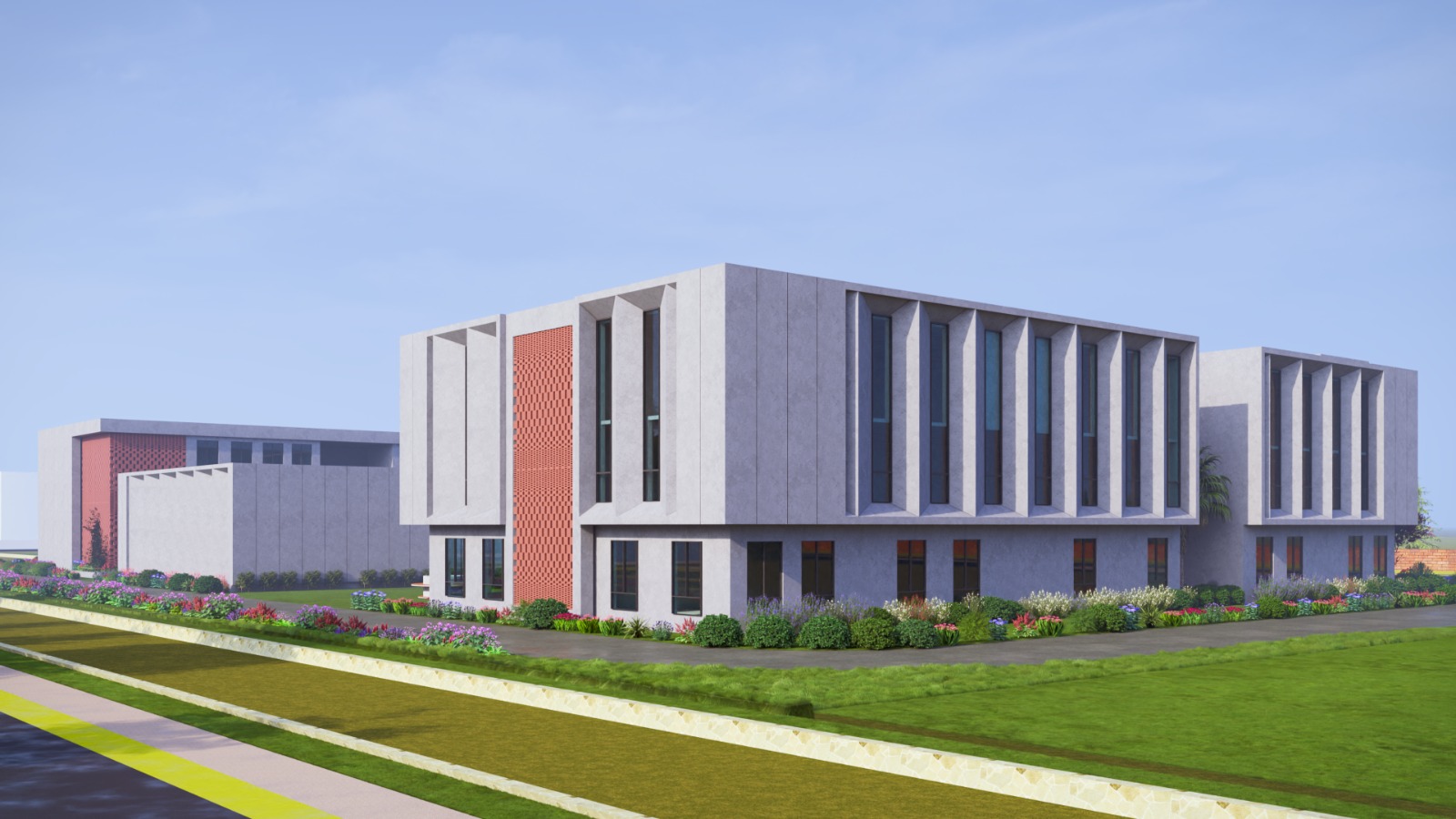
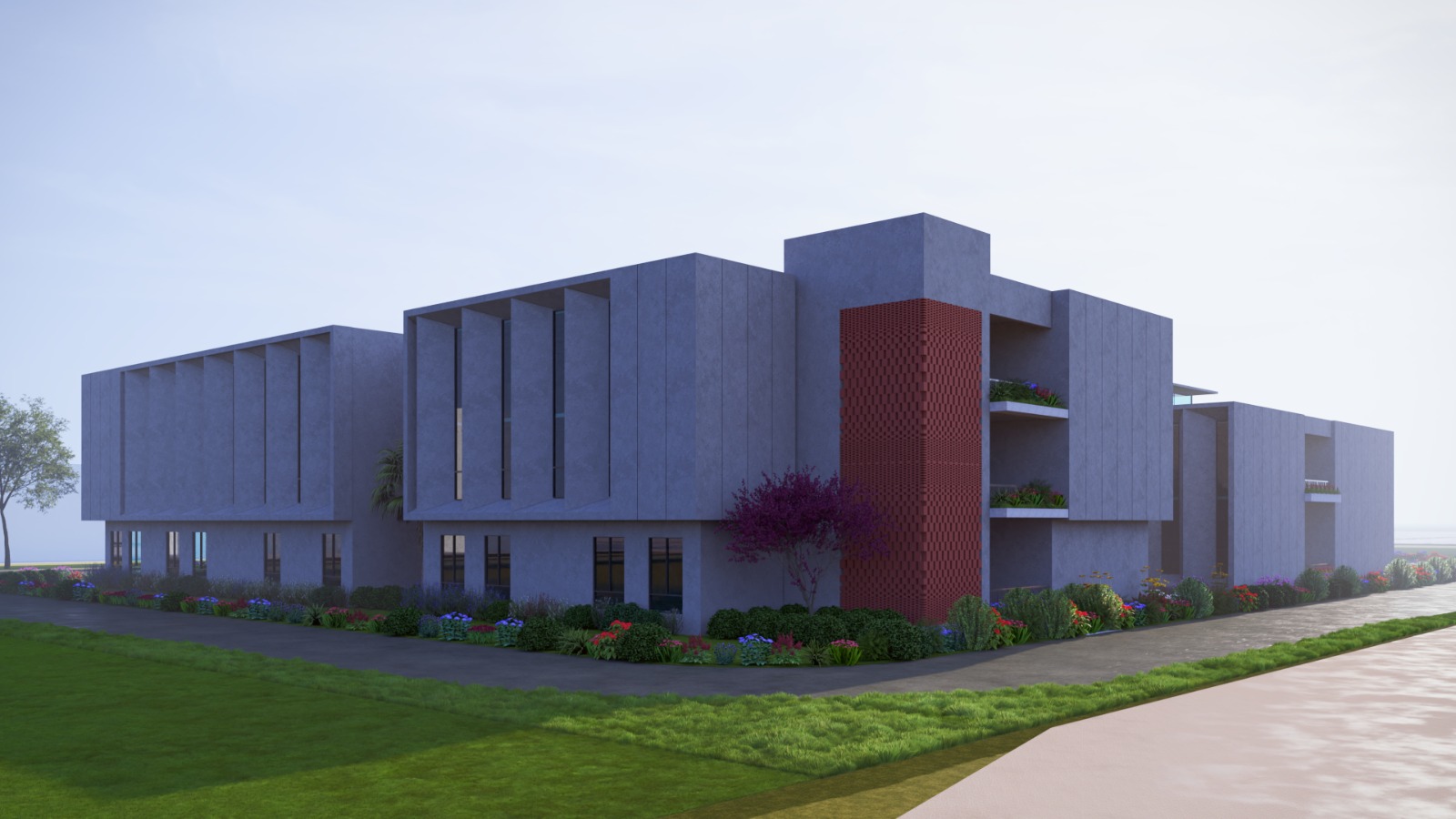
The Greenko School of Sustainability building at IIT Hyderabad is designed as a resource-efficient and environmentally responsible facility.
The 50,000 sq. ft. facility integrates:
Hybrid radiant-convection cooling
Renewable energy systems with net-metered solar panels
Water reuse and rainwater recharge systems
Acoustic optimization and daylight-responsive architecture
GRIHA-registered design targeting Net-Zero Energy, Water, Waste, and Carbon
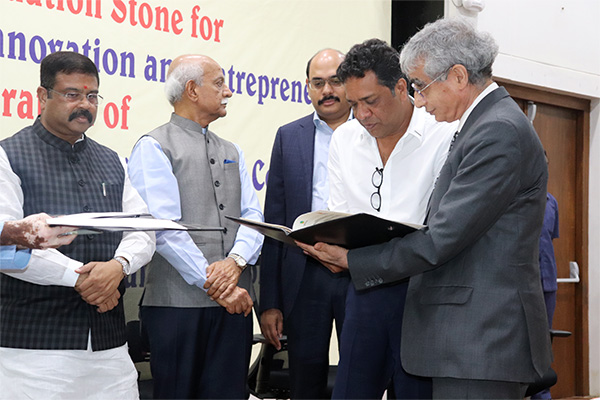
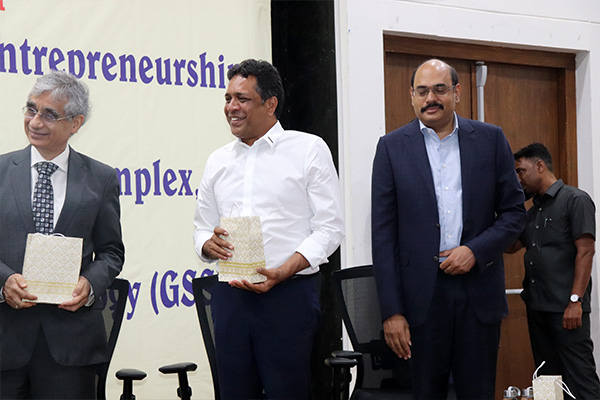
Foundation Stone laid by leadership from Greenko and IIT Hyderabad marks a historic step toward institutionalizing sustainability education in India.
“The Greenko School of Sustainability demonstrates how collaboration between industry and academia can redefine India's development trajectory. Together with IIT Hyderabad, we are cultivating the talent and technology that will enable a net-zero and resilient India.”
— Anil Kumar Chalamalasetty, Founder, Group CEO & MD